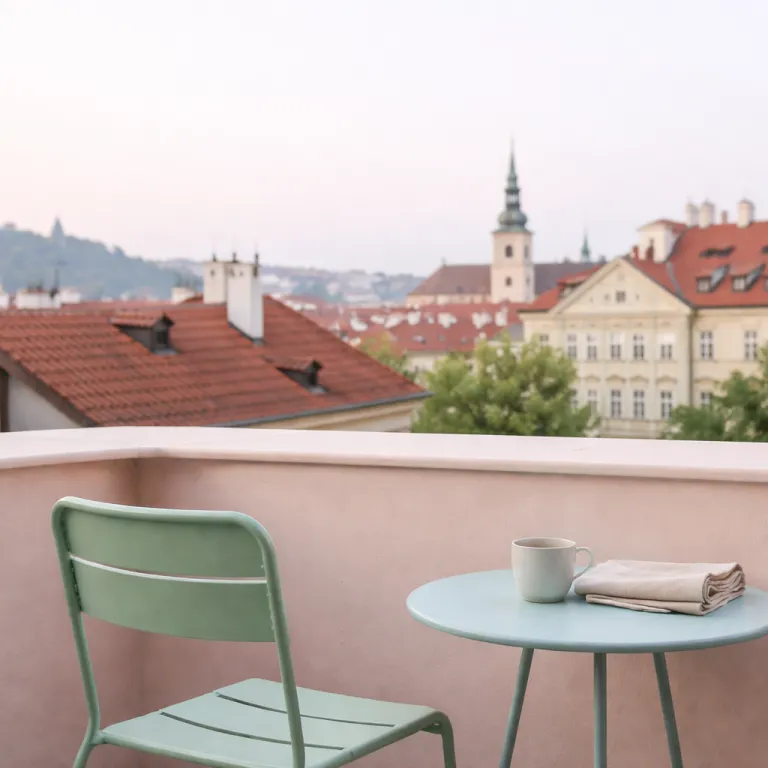
Prague off the beaten path culture starts where the postcards end
Prague off the beaten path culture only really reveals itself once you step away from the Old Town Square carousel. The city still sells a fantasy of medieval lanes and easy Czech beer, yet the most rewarding cultural Prague is the one that begins where the day trip tours end and where residents actually argue about new galleries, cafés and street art. If you are choosing a luxury hotel in the Czech Republic, your first decision is not five star rating versus four, but whether you want to sleep inside the familiar Prague script or just beyond its edges.
For years, the Czech capital has been effectively framed by a short run of cobblestone between the Astronomical Clock and the Charles Bridge, and that narrow corridor has distorted how visitors think about the city, its history and its present day cultural life. The Old Town is heritage, yes, but it is heritage curated for volume tourism, not for the solo explorer who wants to taste Prague food where the chef still cooks for a local lunch crowd and not only for large tour groups. The most interesting things Prague now offers in terms of culture, design and food sit on a different path entirely, in neighbourhoods where the Czech Republic feels lived in rather than staged.
Think of Prague’s alternative cultural life as a quiet refusal of the default itinerary, a decision to trade one more photo of the Vltava River from the bridge for an evening in a Letná wine bar where the playlist is chosen by the owner and the Czech beer is poured from tanks you can actually see. This is not about being contrarian for its own sake, it is about aligning your travel time, your hotel choice and your budget with the parts of the town that still generate culture instead of just packaging it. Once you accept that the best cultural experiences rarely sit on the most beaten track, the map of where to stay in the city changes completely.
Many travelers still argue that the good hotels are central, that the best place for a first visit is somewhere between the Jewish Quarter and the Prague Castle tram stop, and that you can always take a short walking tour into the quieter districts. That logic misunderstands how atmosphere works in a compact city like Prague, because while distances are small, the emotional gap between a stag party alley and a residential street lined with independent cafés is enormous. Prague’s more local-facing culture rewards those who base themselves in the right quarter from the first day, not those who try to escape the crowds for an hour between scheduled excursions.
The cultural triangle: Vinohrady, Karlín and Letná as the real city
If you care about culture more than clock towers, your mental map of Prague should pivot to a triangle formed by Vinohrady, Karlín and Letná, because this is where the city’s present tense lives. These districts are where you feel the Czech Republic as a functioning republic rather than a backdrop, with independent galleries, design retail and Prague food scenes that serve local residents first and organised tours only incidentally. When we talk about Prague off the beaten path culture, this is the geography we mean, the places where you can join a walking tour that actually explains why a David Černý sculpture hangs above a courtyard instead of just pointing at Gothic facades.
Vinohrady is the elegant hill of wine and embassies, a town within the town where tree lined streets hide some of the best cafés and wine bars in the city, and where solo travelers can feel both anonymous and safe. Here, Prague off the beaten path culture looks like a morning coffee at a neighbourhood roastery, a slow lunch where you taste Prague food that riffs on Czech classics, and an evening spent in a cellar bar where the Czech beer list reads like a regional atlas. This is also where a new generation of premium hotels is quietly upgrading former residential buildings, proving that the best place to sleep is no longer only the tourist core.
Karlín, once flood damaged and overlooked, has become the design conscious face of the Czech Republic, with converted factories, co working spaces and restaurants that would not look out of place in Copenhagen. For a solo explorer, Karlín offers a great balance of Prague off the beaten path culture and easy access to the centre, with tram lines that bring you to the Vltava River in minutes while keeping your base on a less beaten path. The argument that Prague is small enough to walk anyway misses this point, because what matters is not the number of minutes between your hotel and the Charles Bridge, but whether your first step outside the lobby puts you into a crowd of visitors or into a neighbourhood that still feels like a real city.
Letná, perched above the Vltava River, completes the triangle with its mix of parks, street art and independent culture, and it is here that the Letná Beer Garden and Letná Park have become shorthand for a different kind of evening in Prague. When visitors ask, “What are some hidden cultural spots in Prague?”, the honest answer now includes “Letná Beer Garden, Bio Oko cinema, DOX Centre for Contemporary Art.”, and that list captures the shift from postcard views to lived culture. If you want to go further into Bohemia after your stay, the same logic of leaving the obvious path applies to the rest of the Czech Republic, and you will find a deeper argument for second cities in the quiet essay on why it can be worth leaving Prague for Bohemia’s other towns.
Luxury stays beyond the Old Town: where to sleep for real culture
The claim that the good hotels are only central is now out of date, and Prague off the beaten path culture is reshaping where serious properties choose to open. The Andaz Prague at the Sugar Palace, technically in the New Town but psychologically outside the Old Town theme park, is a signal that luxury brands understand the value of a base that connects you to both the Jewish Quarter and to emerging districts like Karlín and Vinohrady. From here, you can walk a different path each day, one morning towards Prague Castle and the next towards the DOX Centre for Contemporary Art, without being trapped in the most beaten track corridors.
For travelers who want elevated comfort with a little distance from the crowds, the Panorama Hotel Praha offers refined city views and a calm base in Pankrác, and it is a strong example of how a non central address can still be a best in class urban escape. From this hotel you can reach the Vltava River by metro in minutes, yet your immediate surroundings feel like a functioning Czech neighbourhood rather than a souvenir market, which is exactly what Prague off the beaten path culture demands. You can read a detailed review of this approach to location in our take on the Panorama Hotel Praha and its refined city views.
In Vinohrady, a wave of premium renovations has turned former residential houses into intimate, design forward hotels that understand the solo explorer, and these properties often sit within a ten minute walk of both tram lines and parks. Staying here means your first coffee of the day is likely poured by a barista who knows your name by the second morning, and your evening Czech beer comes from a tap list curated for locals rather than for standard tour groups. This is Prague’s neighbourhood based culture translated into hospitality, where the lobby playlist, the art on the walls and even the mini bar selection are aligned with the city you came to experience.
Letná and Holešovice are the next frontier, with places that position you between Letná Park, the Vltava River embankments and the DOX Centre, and this is where you feel the strongest overlap between hidden gems and serious design. A stay here lets you build a day around a self guided walking tour of David Černý installations, an afternoon screening at Bio Oko and an evening at a neighbourhood restaurant where you taste Prague food that rethinks Czech classics. The old idea that Prague is small enough to walk from any hotel is technically true, but if you care about atmosphere, you will choose a base that starts you on the right beaten path from the moment you step outside.
A two day solo plan that never touches the Charles Bridge
If you want proof that Prague off the beaten path culture can sustain an entire stay, try this two day solo plan that never once crosses the Charles Bridge. On day one, start in Vinohrady with a slow breakfast, then follow a self guided walking tour down towards Karlín, stopping for a Czech beer in a neighbourhood pivnice and a late lunch where you taste Prague food that blends local ingredients with lighter techniques. In the afternoon, join one of the alternative tour operators who focus on street art and contemporary history, then end your day in Letná Park with a view over the Vltava River and the city lights.
Day two belongs to Holešovice and Letná, where Prague off the beaten path culture is most concentrated, and where you can spend a morning at the DOX Centre for Contemporary Art before walking to Bio Oko for an afternoon film. Use public transport or a short tram ride to link these places, and remember the simple advice that underpins all of this alternative travel in the Czech Republic: wear comfortable shoes, use public transport and check opening hours in advance. Your evening can be as simple as a Czech beer at Letná Beer Garden or as structured as a reservation at a restaurant that has quietly become one of the best in town without ever appearing on a standard walking tour map.
The blunt truth is that you are allowed to skip the Old Town Square, the busiest stretch of the Charles Bridge and even the standard Prague Castle circuit without feeling underprepared, because those things Prague offers are already over documented and under lived. What you cannot skip, if you care about culture, is time spent in the neighbourhoods where the city still argues with itself about architecture, food and art, and where hidden gems are not a marketing phrase but a daily reality. If you want to extend this philosophy beyond Prague, the same off the beaten track mindset will serve you well in spa towns and wine regions, and our guide to top Czech spas and luxury hotel insights is a good next step.
For the solo explorer using a luxury and premium hotel booking website focused on the Czech Republic, the real decision is whether to follow the most beaten path or to let Prague off the beaten path culture shape your itinerary from the first search filter. Choose hotels that sit in Vinohrady, Karlín, Letná or their immediate orbit, and you will find that even a short stay can feel like a deep visit rather than a checklist tour. The reward is a version of Prague where the best memories are not of crowds, but of quiet streets, great food and the feeling that you briefly belonged to the city rather than just passing through it.
Key figures behind Prague’s alternative cultural scene
- The sculptor David Černý has numerous public art installations across Prague, enough that a dedicated walking tour can easily fill half a day without repeating a single beaten track sight.
- The DOX Centre for Contemporary Art in Holešovice welcomes a steady but comparatively modest stream of visitors each year, far fewer than Prague Castle yet enough to signal growing interest in Prague off the beaten path culture.
- Bio Oko, the independent cinema in Letná, anchors a cluster of alternative venues that have helped shift evening travel patterns away from the Old Town, supporting the rise of hidden gems and unusual things to do in this part of the city.
References
- DOX Centre for Contemporary Art – exhibition programmes, event listings and visitor information.
- Prague City Tourism – neighbourhood level cultural venue listings and official visitor guidance.
- Czech Statistical Office – data on tourism flows within the Czech Republic and Prague districts.