Why a Prague Art Nouveau Mucha walking tour belongs on your itinerary
Prague is often sold as a city of spires and beer, yet its Art Nouveau layer may be the most rewarding thread for a solo traveler. When you shape a personal Prague Art Nouveau Mucha walking tour, you move beyond Dan Brown themed routes and into a quieter narrative of cafés, concert halls and apartments where design still frames daily life. This is where Prague art, architecture and the story of Alphonse Mucha intersect in a way that feels intimate rather than theatrical.
Art Nouveau, with its flowing lines and stylised nature motifs, left Prague with more than forty listed buildings, and many more façades that only locals tend to notice. The style arrived as the Czech national revival gathered pace, so nouveau architecture here is never just decoration ; it is a statement about language, identity and who the city was built for. When you walk past each building on your tour, you are tracing how a once provincial Prague city became a confident Central European capital.
Alphonse Mucha, the artist whose name now anchors every Mucha Prague itinerary, understood this shift instinctively. Officially, "A Czech Art Nouveau painter known for decorative art." — that is how guide material still introduces him, yet his influence on Prague art and design runs deeper than posters. His work for the Municipal House, the National Theatre and the stained glass in Saint Vitus Cathedral turned public interiors into a kind of civic chapel for the new Czech nation.
A precise 90 minute route through Prague’s Art Nouveau core
Start your Prague walking route on Panská, at the Mucha Museum, where the prague art nouveau mucha walking tour becomes personal. The museum is compact, but it sketches Mucha’s life from Moravian beginnings to Paris fame and back to the Czech lands, including preparatory work for the Slav Epic cycle. From here, your walking tour will flow naturally through streets where the city still carries his visual language.
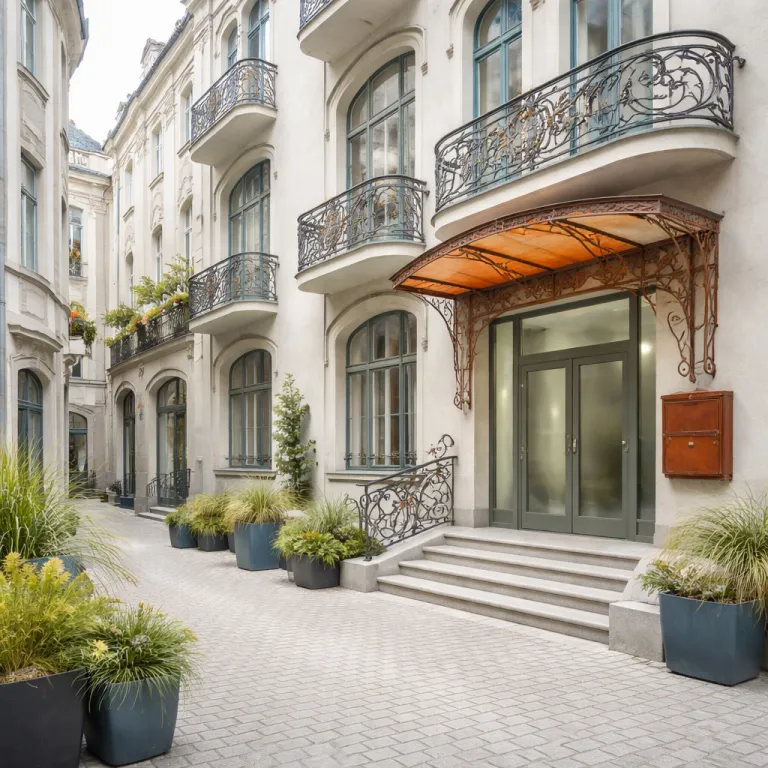
Step outside and turn towards the powder tower, then slip into the side street that reveals Hotel Paris, one of the purest examples of nouveau Prague elegance. Its façade is a lesson in Art Nouveau geometry and floral ornament, and the view from the pavement lets you read how every balcony and window was composed. This is where a solo traveler can pause, look up without embarrassment and start to see how each building in Prague city tells a different chapter of the same story.
Continue a few metres to Obecní dům, the Municipal House, a 1912 landmark that anchors almost every serious tour Prague itinerary. Here, nouveau architecture meets Czech national ambition, from the Smetana Hall concert space to the Mayor’s Hall decorated by Alphonse Mucha himself. If you have time, join one of the short interior tours, which often feel more focused than the broader private tours marketed by Prague City Tourism.
From Náměstí Republiky, walk up Na Příkopě and cut towards the main station, historically Wilson station, where cubist architecture and late secessionist details collide. The station concourse is not a museum, yet its stained glass, ironwork and curves reward anyone who lingers between departures. When you are ready, follow the tram lines to Václavské náměstí, Wenceslas Square, and look for the faded grandeur of the Grand Hotel Europa, a once glamorous Art Nouveau building now awaiting its next life.
This 90 minute loop keeps you in the heart of prague art, but it also leaves space for detours later towards Vyšehrad or the riverfront. If you are pairing Prague with Moravian wine country, consider extending your design themed journey with a night in a vineyard retreat where the sommelier still pours from the tank ; our guide to Moravia after hours vineyard stays outlines exactly those kinds of places. The contrast between Prague city ornament and Moravian cellar pragmatism will sharpen your sense of how varied the Czech landscape really is.
Where to stay for an Art Nouveau focused Prague stay
For this kind of prague art nouveau mucha walking tour, your hotel base matters more than usual. One option is to anchor yourself near the Municipal House and Obecní dům, in a property that respects the surrounding architecture without turning it into a theme park. From here, you can reach the Mucha Museum, Wenceslas Square and the National Theatre on foot, while still slipping back to your room between tours.
A second, less obvious choice is Vinohrady, the residential district east of the centre where nouveau architecture and cubist architecture sit quietly along tree lined streets. Staying here gives you a different view of Prague life, with morning walks past apartment buildings that echo the curves and colours of the grand municipal house, but without the crowds. It also places you close to tram lines that run directly to the National Museum area and down towards the river, making every walking tour feel like an easy extension of your daily routine.
Solo travelers booking through a premium platform should look for properties that understand curated local excursions, not just generic city tours. On our own site, the guide to top rated premium hotels in the Czech Republic highlights addresses where the concierge can arrange private tours focused on Art Nouveau, Alphonse Mucha and even the Slav Epic panels now displayed outside Prague. When you plan a longer stay or a small group trip, use resources like our advice on how to book premium hotel group stays to ensure everyone in your party can join the same prague walking experiences.
Whichever district you choose, confirm that your hotel can provide a printed map or digital guide for a self led tour Prague route. Many high end properties now partner with the Mucha Foundation or Prague City Tourism to offer in house guide material that goes beyond the usual brochure stack. This kind of support turns a simple walking tour into a curated narrative, where each building, museum and theatre becomes a deliberate stop rather than a happy accident.
Cafés, pivnice and the art of pausing between façades
An effective prague art nouveau mucha walking tour is not only about façades ; it is also about where you pause. Between the Mucha Museum and the Municipal House, several cafés compete for your attention with elaborate interiors and pastry displays. Choose one where the coffee is taken as seriously as the chandeliers, and where the clientele is a mix of locals and visitors rather than only tour groups.
For a mid route stop, look for a café near Wenceslas Square that still carries original or sensitively restored Art Nouveau details. High ceilings, curved banquettes and stained glass panels should frame your view, allowing you to keep reading the city’s architecture even while seated. Avoid the most aggressively advertised spots on the square itself, where the atmosphere often feels more like a theme park than a living part of Prague life.
As evening approaches, trade coffee for beer in a pivnice where the brewmaster still oversees the tanks personally. Aim for a place a short walk from the National Theatre or along the river towards Vyšehrad, rather than the Old Town Square, where menus and music chase a different crowd. This is where you will feel how Czech social life flows around the same buildings you admired earlier, turning your walking tour into a full day rhythm rather than a checklist.
Some luxury hotels now weave these pauses into their curated excursions, pairing a guided walk past nouveau Prague landmarks with reserved tables in historically significant cafés. Ask your concierge whether they work with local guides who understand both the architecture and the contemporary food scene, not just one or the other. The best tours balance commentary on Alphonse Mucha and his peers with practical advice on where to eat, drink and linger without losing the thread of the day.
Beyond the centre: extending your Mucha themed stay across Prague
Once you have walked the core prague art nouveau mucha walking tour, the temptation is to stop, yet the story continues beyond the centre. Take a tram up to Prague Castle and step into Saint Vitus Cathedral, where Mucha’s stained glass window glows above the nave with a distinctly Czech palette. From this vantage point, you can look back across the city and see how the same Art Nouveau sensibility threads from church to municipal house to apartment building.
Another rewarding extension is a half day trip to Vyšehrad, the historic fortress on a hill above the Vltava, where the atmosphere feels more contemplative than at the castle. While the architecture here leans more neo Gothic and neo Romanesque than pure nouveau architecture, the cemetery holds the graves of artists and composers who shaped the same cultural moment as Alphonse Mucha. Walking these paths after a morning in the Mucha Museum or Municipal House gives your stay a sense of continuity, linking art, life and landscape.
For travelers who want structured context, Prague City Tourism and local partners offer guided tours that focus specifically on Art Nouveau and Mucha Prague landmarks. These tours often start near the National Theatre or Obecní dům and may include interiors not always open to casual visitors, making them a useful complement to your self guided prague walking route. When choosing between group formats and private tours, consider how much time you want inside each museum or building, and whether you prefer a broad overview or a deep dive into a few key sites.
However you structure your days, keep the core principle of this itinerary in mind ; you are following a cultural through line, not chasing photo opportunities. Each view, from Wenceslas Square to the Mucha Museum and on towards Saint Vitus Cathedral, should help you understand how Prague art and Czech identity evolved together. That is what turns a simple tour Prague experience into a stay that lingers long after you have checked out of your hotel.
FAQ
Who was Alphonse Mucha and why does he matter in Prague ?
Alphonse Mucha was a Czech Art Nouveau painter and decorative artist whose work shaped both Parisian poster design and Prague interiors. His murals in the Municipal House, stained glass in Saint Vitus Cathedral and the monumental Slav Epic cycle make him central to any serious exploration of Prague art. For many visitors, a prague art nouveau mucha walking tour is the most direct way to understand how his style influenced the city’s public spaces.
What is Art Nouveau and how is it expressed in Prague’s architecture ?
Art Nouveau is an artistic style defined by flowing lines, floral motifs and a synthesis of architecture, design and applied arts. In Prague, it appears in façades, ironwork, stained glass and interiors of buildings such as Obecní dům, Hotel Paris and several houses around Wenceslas Square. Walking through these streets, you will see how Czech architects adapted international Art Nouveau trends to local materials and national themes.
Where is the Mucha Museum and what can I expect there ?
The Mucha Museum stands on Panská street in Prague’s New Town, about ten minutes on foot from the Municipal House. Inside, you will find posters, photographs and personal objects that trace Mucha’s life from Moravia to Paris and back to the Czech lands. The museum is compact, making it an ideal starting point for a wider prague walking route focused on Art Nouveau.
How long should I plan for a self guided Art Nouveau walk ?
A focused prague art nouveau mucha walking tour that includes the Mucha Museum, Hotel Paris, the Municipal House, a detour to the main station and a stop by the Grand Hotel Europa typically takes around ninety minutes of actual walking. Allow extra time for coffee, interior visits and photography, especially if you plan to tour the Municipal House or the National Theatre. Many travelers stretch this into a half day experience to keep the pace relaxed.
Do I need a guide, or can I follow this route alone ?
You can comfortably follow this itinerary alone using a map, a guidebook or a self guided app, which several Prague City Tourism partners now provide. A professional guide adds context on Czech history, architecture and Mucha’s life, which can be valuable if this is your first visit. Some luxury hotels also arrange private tours that adapt the route to your interests, from photography to design history.