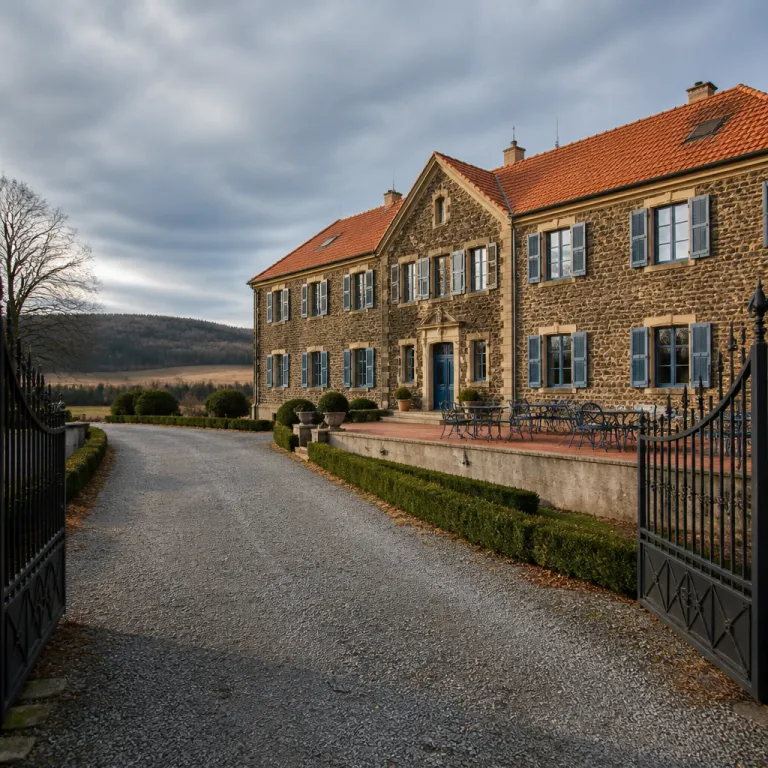
What a Czech chateau hotel luxury castle stay experience really means
A true Czech chateau hotel luxury castle stay experience begins with scale and intimacy rather than sheer grandeur. In the Czech Republic you move between a lived-in chateau, a working castle estate and a discreet hotel that understands business-class expectations, so the atmosphere feels residential instead of museum-like. You are not just booking rooms in an old building; you are entering a curated slice of Czech history where the staff will remember your preferred wine and the exact way you like the mini bar stocked.
Across the Czech Republic there are more than 2,000 castles and chateaux, yet only a small fraction operate as serious castle hotels with consistent luxury standards. According to the Czech Statistical Office, the country counts roughly 2,300 castles and chateaux in total, but only dozens function as full-service hotels. These properties sit in a specific niche between urban five-star hotels and rural resorts, and the best of them balance heritage with contemporary wellness, reliable Wi‑Fi and polished service that works for both board meetings and long weekend escapes. When you book one of these hotels, Czech travelers and international guests quickly find that the castle narrative is not about themed costumes but about quiet comfort, good mattresses and a sense of place that lingers long after your stay.
Consider Chateau Herálec, a romantic castle hotel located in the Bohemian-Moravian Highlands, where the chateau layout keeps public salons generous while the rooms feel cocoon-like and acoustically private. Or look at Hotel Chateau Zámek Čejkovice in South Moravia, where the historic chateau sits above serious vineyards and the wine cellar tastings are run with the precision of a corporate event. Resort Dětenice, by contrast, leans into a late Baroque castle setting with medieval-themed experiences, yet behind the theatrics you still will find modern bathrooms, efficient check-in and a team that understands international expectations for a smooth luxury stay.
From Prague cloisters to countryside manors: mapping the landscape
For many travelers the Czech chateau hotel luxury castle stay experience starts in Prague, where a monastery conversion such as the Augustine sets the benchmark for cloister calm paired with city access. Here you sleep within thick stone walls a short walk from the center, yet the hotel service, spa and dining feel aligned with global luxury brands rather than with a dusty historic relic. This monastery hotel variant shows how a Czech castle or chateau can host a serious business meeting by day and still feel like a retreat once the laptops close.
Leave Prague and the pattern shifts as chateau hotels spread across Bohemia and Moravia, often within an hour’s drive of a regional hub like Brno or Hradec Králové. Chateau Mcely, for example, is located about an hour’s drive northeast of Prague, and it anchors a village green rather than a tourist strip, which makes it ideal for executives who want to decompress after meetings in Prague–Brno corridors. Further south, Chateau Třešť and Chateau Herálec sit in rolling countryside where castle park landscapes double as outdoor boardrooms, and where the only noise at night is wind in the trees and the occasional clink from the wine cellar.
If you are planning a wider itinerary, it makes sense to pair a city base with a rural castle hotel so your Czech Republic journey feels layered rather than linear. One smart pattern is to use Prague for your first meetings, then shift to a manor near Brno, using a property such as the Grand Palace featured in this guide to staying outside Prague in style. For a more romantic arc, you can route south to Český Krumlov and fold in a stay near the old town, using this two-day plan for Český Krumlov after the tour buses leave as a template before continuing to Moravian castle hotels.
How Czech chateau hotels actually operate: service, wellness and space
Behind the romance of a Czech chateau hotel luxury castle stay experience sits a very practical operational model. These properties are usually smaller than urban luxury hotels, so the équipe tends to be cross-trained and you will often see the same manager at breakfast, in the wellness center and later during a wine cellar tasting. That continuity builds trust, and it also means the hotel can adapt quickly if your flight changes or a client meeting runs late.
On the wellness side, the best wellness hotel options in the Czech Republic have moved far beyond a token sauna in the basement. At Chateau Mcely the estate gardens supply ingredients for a bio-certified wellness center, and the spa menu reads like a slow-living manifesto rather than a generic treatment list. Many castle hotels now include a proper swimming pool or at least an indoor pool with counter-current jets, and you will find that some properties add a small fitness room, a bowling alley for low-key evenings and even yoga decks in the castle park when weather allows.
Rooms in these hotels Czech travelers choose tend to be individually designed, with original beams, parquet floors and contemporary mattresses that quietly correct the cliché of the draughty Czech castle. Expect a thoughtful mini bar with Moravian wine, local chocolate and sometimes herbal cordials from the surrounding countryside, plus reliable Wi‑Fi and enough sockets for multiple devices. Dining usually centers on a single restaurant that handles both breakfast and tasting menus, and while you should always check current opening hours, the standard at places like Pytloun Chateau Hotel Ctěnice or Hotel Chateau Zámek Čejkovice is an excellent balance between regional recipes and international comfort dishes.
“Amenities vary but often include luxury rooms, fine dining, and event spaces.” That simple line from the Czech Tourism Board captures the baseline, but the reality on the ground is richer when you factor in estate activities such as horseback riding, guided history walks or private access to a Baroque castle chapel. For business-leisure travelers the key is to confirm whether the wellness facilities, the pool and any meeting rooms are located in the main chateau building or in adjacent wings, because that detail will shape how seamless your day feels between calls, spa time and dinner.
Choosing the right manor: region, season and style of stay
Once you understand the spectrum of the Czech chateau hotel luxury castle stay experience, the next step is to match the right property to your trip. Start with geography; if your meetings are in Prague you may want a chateau hotel within an hour’s drive, while a Moravian schedule points you toward estates between Prague, Brno and Vienna. The goal is to reduce transfer time so your stay feels like an extension of your work trip rather than a separate expedition.
Then think about the kind of history and architecture that speaks to you, because a Baroque castle such as Liblice or Dětenice delivers a very different mood from a neo-Gothic manor or a monastery conversion in Prague’s Lesser Town. If you are drawn to layered Baroque façades and formal castle park layouts, use this deep dive into Prague’s lesser known palaces as a visual reference before you book. Those who prefer a softer countryside aesthetic might gravitate toward Chateau Herálec or Chateau Třešť, where the surrounding landscape feels more like a private domain than a public attraction.
Season matters more than many travelers expect, especially if the pool, the castle park and outdoor terraces are central to your plans. Spring and early autumn are ideal for long walks through the grounds, wine cellar visits and evenings that start on the lawn and end by the fireplace, while winter stays lean into spa rituals and candlelit dinners inside the main castle hotel salons. Whatever the season, check whether the wellness center, the swimming pool and any leisure facilities such as a bowling alley are fully operational during your dates, because some hotels in the Czech Republic scale back services midweek outside peak periods.
Myths, realities and how to book with confidence
Several myths still cling to the idea of a Czech chateau hotel luxury castle stay experience, especially among travelers used to large city hotels. One assumption is that a Czech castle stay will feel remote and inconvenient, yet many of the strongest properties are located surprisingly close to major roads or rail lines, often within an hour’s drive of a key business hub. Another misconception is that service will be charming but inconsistent, when in reality the top castle hotels in the Czech Republic operate with clear standards, multilingual staff and reservation systems that mirror those of international chains.
There is also confusion around the term boutique hotel, which appears in some marketing materials even though these estates function more like private country houses with professional teams. In practice you can expect fewer rooms than in city hotels, but those rooms are larger, quieter and more tailored to longer stays, with thoughtful touches such as curated mini bar selections and flexible breakfast hours for jet-lagged guests. When you read reviews, focus less on labels like chateau hotel or castle hotel and more on concrete details about the pool temperature, the quality of the mattresses and how the staff handled late arrivals.
When it comes time to book, the most reliable path is to reserve directly with the hotel or through a specialist platform that understands hotels Czech wide and can advise on nuances such as which wing of Liblice is quietest or which suite at Chateau Mcely catches the best morning light. A typical transfer from central Prague to a countryside manor within 70–80 kilometers might cost the equivalent of €80–€120 by private car, which is often acceptable on a business trip budget. Always check cancellation terms, seasonal closures and whether the wellness hotel facilities, including any wellness center or swimming pool, are included in the room rate or charged separately. With that information in hand, your stay in a Bohemian manor will feel less like a gamble and more like a deliberate, well-planned chapter in your wider Czech Republic travels.
FAQ
What amenities can I expect at a Czech chateau hotel?
Most Czech chateau hotels offer spacious rooms, strong Wi‑Fi and thoughtful in-room details such as a well-stocked mini bar. You can usually expect a restaurant focused on regional ingredients, plus access to gardens or a castle park for walks between meetings. Many leading properties also include a wellness center, a swimming pool or at least a small spa zone with sauna and steam.
Are Czech chateau hotels suitable for weddings and events?
These hotels are well suited to weddings, board meetings and private celebrations because they combine historic architecture with controlled scale. Many estates offer dedicated event spaces, from frescoed halls inside the main castle to garden pavilions overlooking lawns and ponds. Several properties in the Czech Republic also provide on-site coordinators who can manage catering, décor and guest rooms as a single package.
Do Czech chateau hotels have modern facilities?
Yes, the leading castle hotels in the Czech Republic blend historic charm with modern infrastructure. You will find contemporary bathrooms, reliable heating and cooling, and technology that supports both leisure and business travel. As one official summary puts it, “Do Czech chateau hotels have modern facilities?” and the answer is simply “Yes, they blend historic charm with modern comforts.”
How far are Czech chateau hotels from Prague or Brno?
Many of the most popular chateau hotels are located within an hour’s drive of Prague or Brno, which makes them practical add-ons to business trips. Properties such as Chateau Mcely sit northeast of the capital, while others cluster along the Prague–Brno axis or near regional towns. Always check exact driving times and transfer options when you book, especially if you plan to arrive late in the evening.
When should I book a Czech chateau hotel for peak comfort?
For a balance of pleasant weather and calmer estates, late spring and early autumn work particularly well. During these periods you can enjoy the castle park, outdoor terraces and sometimes the pool without the intensity of high summer crowds. Whatever the season, it is wise to book in advance and to check whether all wellness and dining services will be available on your chosen dates.
Sources
Czech Tourism Board; Czech Statistical Office (heritage building counts); National Heritage Institute (castle and chateau registry).