A czech cuisine traditional food luxury dining guide for skeptics
Czech cuisine for many travelers still means one thing only, goulash. Yet the reality in Prague city and across the Czech Republic is a layered culinary culture where more than 100 traditional Czech dishes coexist with a new wave of chef driven kitchens. This czech cuisine traditional food luxury dining guide is written for families who love food, remain unconvinced by the clichés and want a structured way to taste both Czech classics and their modern interpretations while staying in luxury hotels.
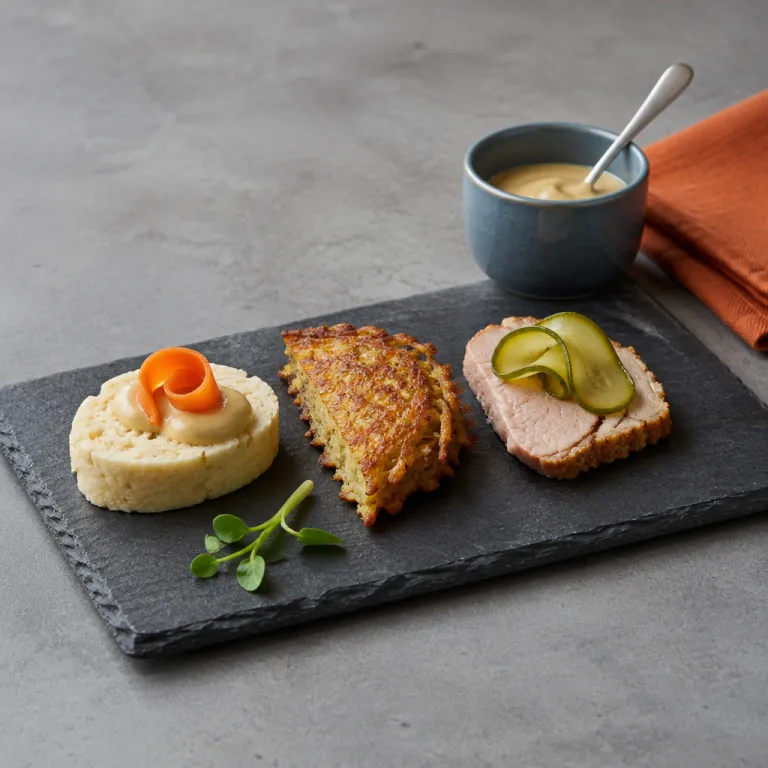
Start with the holy trinity of traditional Czech plates that every serious restaurant in Prague will treat with pride. Svíčková na smetaně, a marinated beef sirloin served with bread dumplings and a glossy root vegetable cream, shows how Czech food balances richness with acidity and a whisper of sweetness from whipped cream and cranberry. Vepřo knedlo zelo, the roast pork with dumplings and cabbage that defines many Czech dishes, reveals how well slow roasted meat, fermented vegetables and soft knedlíky can feel almost elegant when portioned with care in a fine dining setting.
Families often arrive expecting only heavy food in anonymous restaurants Prague wide, then fall in love with smažený sýr, the infamous fried cheese. In the right restaurant Prague chefs turn this street food classic into a playful starter, using artisan cheese, lighter breadcrumbs and a precise fry so the crust stays crisp while the center remains molten and delicious. When you see fried cheese on a menu in Prague restaurants that care about sourcing, order it once, then compare it to the same dish in a casual place serving more traditional Czech pub fare.
To understand how far Czech cuisine has come, look at La Degustation Bohême Bourgeoise in Prague city, a Michelin starred dining room at Haštalská 753/18 in Old Town that builds multi course menus from 19th century recipes. Here, the kitchen presents “authentic, precise cuisine inspired by childhood memories”, and the tasting format becomes a live czech cuisine traditional food luxury dining guide, moving from pickled vegetables to refined offal and tiny reworked dumplings. Expect a three hour experience with a set menu typically in the 3,000–4,000 CZK range per adult before drinks, and reserve several weeks ahead for weekend evenings.
Outside the starched tablecloths, local food enthusiasts and Czech chefs lead market tours, cooking classes and tasting dinners that help broaden understanding of Czech food beyond goulash. A typical one day culinary exploration in Prague might start at a farmers’ market on Náplavka or Jiřího z Poděbrad, continue with a hands on class using traditional recipes and end with a guided dinner in a restaurant Prague families would rarely find alone. Wear comfortable shoes, bring a reusable bag for ingredients and be open to new flavors, because this is where your children will remember their first spoonful of proper svíčková more than any view of Prague Castle.
From Bohemia to Moravia: regional czech food with hotel level comfort
Once you have tasted the headline dishes in Prague food focused restaurants, it is time to think regionally. Bohemian kitchens lean toward sauces, dumplings and slow braised pork, while Moravian tables often highlight game, smoked meats and a natural link between Czech food and local wine. A thoughtful czech cuisine traditional food luxury dining guide will always nudge you beyond Prague city, because the most authentic Czech flavors often appear in small town dining rooms attached to spa hotels or vineyard retreats.
In western Bohemia, luxury spa properties pair wellness programs with surprisingly serious cuisine, where traditional Czech recipes are lightened rather than abandoned. In Karlovy Vary and Mariánské Lázně, hotel restaurants commonly offer half board menus around 600–900 CZK per person, where you might find trout from local rivers served with herb butter instead of heavy cream, or potato salad made with yoghurt and crisp vegetables rather than only mayonnaise. These Czech dishes still feel familiar, yet they respect guests who want to eat well and feel well after a day in thermal pools.
Moravia, by contrast, is where many chefs quietly rewrite what Czech cuisine can be, using farm to table sourcing, heritage grains and artisan cheese. Families staying in vineyard hotels near Mikulov or Znojmo will often eat in a restaurant that treats Czech beer and local wine as equal partners for pairing with regional dishes. Expect venison goulash served with buckwheat dumplings, or roasted pork neck glazed with honey and mustard, each plate designed to sit comfortably between rustic tradition and modern fine dining.
Back in Prague, the most interesting Prague restaurants now reference these regional influences while speaking a cosmopolitan language. At places like Papilio, widely discussed as a reference point for the new Czech kitchen and located in the residential district of Vinohrady, tasting menus show how chefs can turn Czech classics into intricate compositions without losing their soul. A typical multi course dinner here or in similar venues runs around 2,000–2,800 CZK per person, and booking a week or two in advance is wise for Friday and Saturday nights.
Families who prefer something more relaxed than a multi course tasting can still follow a regional path through food Prague wide. Look for restaurants Prague locals frequent, where menus list Moravian smoked meats, Bohemian potato salad and at least one seasonal vegetarian plate built around mushrooms or fried cheese. These places may not call themselves fine dining, yet they often deliver the best balance of price, comfort and authentic Czech food for guests staying in central hotels.
Where to eat in Prague city: from Michelin stars to street food with a view
Planning a food focused stay in Prague can feel overwhelming, because the number of restaurants has grown quickly and quality varies widely. A smart czech cuisine traditional food luxury dining guide for families breaks the city into layers, from Michelin starred temples to casual spots near Prague Castle where you can still get an honest plate. The goal is simple, to help you avoid tourist traps and instead build a sequence of meals that show how Czech cuisine lives at every price point.
At the top end, La Degustation Bohême Bourgeoise remains essential for anyone serious about Czech dishes, especially if you want to see how historical recipes become modern art. Expect a long evening where each course is served with a short explanation, often referencing forgotten ingredients or techniques that Czech chefs and food historians have revived. Children who are comfortable with tasting menus will remember this as a culinary theatre, while parents appreciate the precision and the way Czech beer or wine pairings illuminate each plate.
For a more relaxed yet still polished experience, look for best restaurants in residential districts rather than only in Old Town. In Karlín, Vinohrady or Smíchov you will find Prague restaurants where locals meet for seasonal menus that might include roasted pork belly, lightened svíčková or even a wood fired pizza topped with local cheese and mushrooms. These restaurants Prague side streets often sit within walking distance of premium hotels, making them ideal for families who want to eat well without crossing the entire city after a long day.
Street food in Prague has also matured, moving beyond the tired trdelník stands that cluster around the main squares. At farmers’ markets and small kiosks you can now taste Czech food in snack form, from open faced sandwiches with smoked fish to modern takes on fried cheese served in a bun with pickles and herbs. A generous snack at a market stall usually costs 80–150 CZK, and this is where Prague food becomes playful, where children can try new flavors without committing to a full restaurant meal.
When choosing a hotel, consider how its location shapes your access to these layers of food Prague offers. Our guide to the best 5 star hotels in Prague highlights properties that sit within easy walking distance of both fine dining and casual local spots. Staying near the river or in well connected neighborhoods means you can move from a tasting menu to a simple plate of potato salad and sausage without long taxi rides, letting each day in Prague city unfold as a curated eating itinerary.
Czech beer, pairings and the new role of the hospoda
No czech cuisine traditional food luxury dining guide would be honest without addressing beer, because Czech beer is not just a drink but a cultural framework for eating. In the Czech Republic, the classic hospoda, or pub, has always been where Czech food, conversation and pilsner meet in one noisy room. Today, a new generation of Prague restaurants and modern hospody are showing how beer pairings can sit comfortably alongside wine lists in both casual and fine dining settings.
Traditional Czech dishes were built with beer in mind, from pork knuckles with crisp crackling to hearty goulash thickened with onions and paprika. When a plate is served with a freshly poured lager, the bitterness cuts through fat, while the carbonation lifts the richness of sauces like those in svíčková or vepřo knedlo zelo. Families who enjoy tasting different styles will find that even a simple potato salad tastes more vivid when matched with a well kept pale lager or a slightly darker amber beer.
In Prague city, look for restaurants that list specific Czech beer pairings next to menu items, a sign that the kitchen and bar work together. Some of the best restaurants now offer tasting flights, allowing you to compare how a light pilsner works with fried cheese, while a fuller lager suits roasted pork or grilled sausages. This turns an ordinary dinner into a guided experience, even if you are sitting in a relaxed place rather than a formal fine dining room.
For families staying near Prague Castle or in Malá Strana, traditional pubs can still be part of the itinerary if chosen carefully. Seek out spots where Czech food is cooked to order rather than reheated, where the menu includes at least one fresh salad and perhaps a seasonal vegetable dish alongside the usual Czech classics. Children can enjoy non alcoholic drinks and simple plates like schnitzel or pizza, while adults explore how different beers frame the same dishes in new ways.
Service culture in these venues varies, and understanding it will help you choose where to spend your evenings. Our report on why Prague’s luxury boom has not yet cracked service standards explains why some high end restaurants still feel less polished than their European peers. Use that context when reading reviews, and prioritize places where both Czech beer and hospitality are treated as seriously as the food on the plate.
Designing a family tasting journey through Prague and beyond
Turning this czech cuisine traditional food luxury dining guide into a real itinerary means structuring your days around both appetite and energy. With around eight million visitors arriving in Prague each year, according to data from the Czech Statistical Office, planning ahead is essential if you want to secure tables at the best restaurants while still leaving space for spontaneous street food. Think of each day as a tasting arc, starting light, building toward a central meal and ending with something simple and comforting near your hotel.
Morning is ideal for markets and casual bites, where you can sample pastries, local cheese and perhaps a small portion of open faced sandwiches that show how Czech cuisine handles smoked meats and pickles. Afternoon suits a hands on experience, whether a cooking class focused on traditional Czech recipes or a guided walk through neighborhoods where authentic Czech cafés and bakeries still anchor daily life. Evening is when you commit to either a fine dining tasting menu or a relaxed restaurant Prague locals love, depending on how your children feel after a day of walking.
When choosing specific venues, mix Czech dishes with a few international options so younger travelers never feel trapped. A family friendly place might serve svíčková alongside a good pizza, or offer fried cheese with a side of fresh salad rather than only fries, small details that keep everyone happy. Look for menus where Czech food sits confidently next to global comfort dishes, a sign that the kitchen understands both tradition and modern expectations.
Outside Prague city, consider at least one night in a countryside or spa hotel where the restaurant works closely with local producers. Farm to table dining, the revival of ancient recipes and food and wine pairing events are no longer niche concepts in the Czech Republic, they are quietly reshaping how regional hotels cook. Here, potato salad might include new season vegetables from a nearby farm, while pork comes from small scale producers and is served with heritage grains instead of only dumplings.
Throughout your journey, remember the stated goal of many local partners, to broaden understanding of Czech food, showcase culinary variety and enhance cultural tourism. As one official guide to the national kitchen puts it, “Svíčková, vepřo knedlo zelo, smažený sýr.” is the short answer to what lies beyond goulash, but in practice you will taste far more than these three plates. By the time you leave, the reputation of Czech cuisine as merely heavy comfort fare will feel outdated, replaced by your own map of restaurants, markets and hotel dining rooms where Czech food is served with precision, warmth and a clear sense of place.
FAQ
What are some traditional Czech dishes besides goulash that families should try ?
Beyond goulash, start with svíčková, a marinated beef sirloin in creamy vegetable sauce, and vepřo knedlo zelo, roast pork with dumplings and cabbage. Children usually enjoy smažený sýr, the famous fried cheese, which many restaurants now serve with lighter sides like salad or potatoes. These three Czech classics appear on most menus in Prague city and provide an excellent entry point into Czech cuisine for first time visitors.
Is Czech cuisine vegetarian friendly for travelers staying in luxury hotels ?
Traditional Czech food leans heavily on pork and other meats, but vegetarian options are improving, especially in higher end restaurants and hotel dining rooms. Fried cheese, seasonal salads, mushroom dishes and vegetable based soups are common, and some fine dining venues now offer full vegetarian tasting menus built around local produce. When booking, check whether your hotel restaurant can adapt traditional Czech recipes, such as dumplings with creamy sauces, into meat free versions on request.
How does Czech beer pair with traditional czech dishes in practice ?
Czech beer, especially pale lager, was effectively designed to accompany Czech cuisine, cutting through the richness of sauces and roasted meats. A light pilsner works well with fried cheese or schnitzel, while slightly darker lagers complement goulash, roasted pork and grilled sausages. Many Prague restaurants now suggest specific Czech beer pairings on their menus, turning a simple meal into a guided tasting that even casual drinkers can enjoy.
Can I plan a one day culinary exploration in Prague with children ?
Yes, a one day food focused itinerary in Prague city works very well for families if you pace it carefully. Start with a morning market visit where children can taste pastries and local cheese, then join a short cooking class that introduces traditional Czech recipes in a hands on way. Finish with an early dinner in a relaxed restaurant Prague locals frequent, choosing a place that serves both Czech dishes and familiar options like pizza so everyone leaves happy.
Are reservations necessary for the best restaurants in Prague ?
Reservations are strongly recommended for Michelin starred venues and the best restaurants in central districts, especially if you are traveling during peak seasons or with children who need specific seating times. Casual pubs and street food stalls usually accept walk ins, but planning ahead for at least one fine dining experience ensures you can sample the most refined expressions of Czech cuisine. When booking your hotel, ask the concierge to secure key tables early, particularly at places that reinterpret Czech food through tasting menus or special beer pairing dinners.