Karlovy vary thermal cure spa history luxury explained
The phrase “karlovy vary thermal cure spa history luxury” points to a town where wellness is not a decorative extra but the reason the settlement exists at all. Karlovy Vary in the western Karlovy Vary Region of the Czech Republic grew around hot mineral springs, and daily life in the historic spa quarter still revolves around the ritual of taking the waters. When you book a spa hotel here, you are entering a living medical tradition rather than planning a simple pampering weekend.
The town was formally established by Holy Roman Emperor Charles IV in the 14th century, after a hunting party that led him through this wooded valley encountered steaming waters erupting from the ground (Karlovy Vary Tourist Board, “History of the Spa Town”; CzechTourism, “Charles IV and Czech Spas”). Local physicians such as David Becher (1725–1792) and Josef von Löschner (1809–1888) later systematised spa treatments and medical indications, turning Karlovy Vary into a renowned Czech spa destination for European aristocracy and serious health seekers (Czech spa history publications on Becher and Löschner). Historical records from the 1300s onward confirm that Karlovy Vary's thermal springs have been used for healing since medieval times, and that long arc still shapes how a modern thermal resort operates today.
Today there are 13 main thermal springs in Karlovy Vary, each with distinct mineral water composition and temperature, and the hottest is the Vřídlo spring at around 72 °C (Karlovy Vary official list of 13 springs and Vřídlo parameters). These waters feed both public pools and private spa treatments, but they also underpin the structured drinking cure that differentiates a stay here from a casual vary spa day. When you plan a stay in the Czech Republic, understanding this blend of history, medicine and luxury helps you choose between a classic grandhotel such as Grandhotel Pupp, a contemporary hotel like Hotel Thermal, or a more clinical lázeňský dům where the focus is almost entirely on prescribed cures.
From spa day to medical ritual: how the Czech thermal cure works
In Karlovy Vary, a spa visit begins not with a scented candle but with a doctor’s appointment. Guests at leading properties, whether a heritage spa hotel or a more understated lázeňský dům, usually start their stay with a consultation that assesses medical history, mobility and goals for the cure. Based on this, the physician prescribes specific springs, exact drinking times, walking routes under each colonnade and a schedule of spa treatments that may include baths, inhalations and supervised use of saunas and pools.
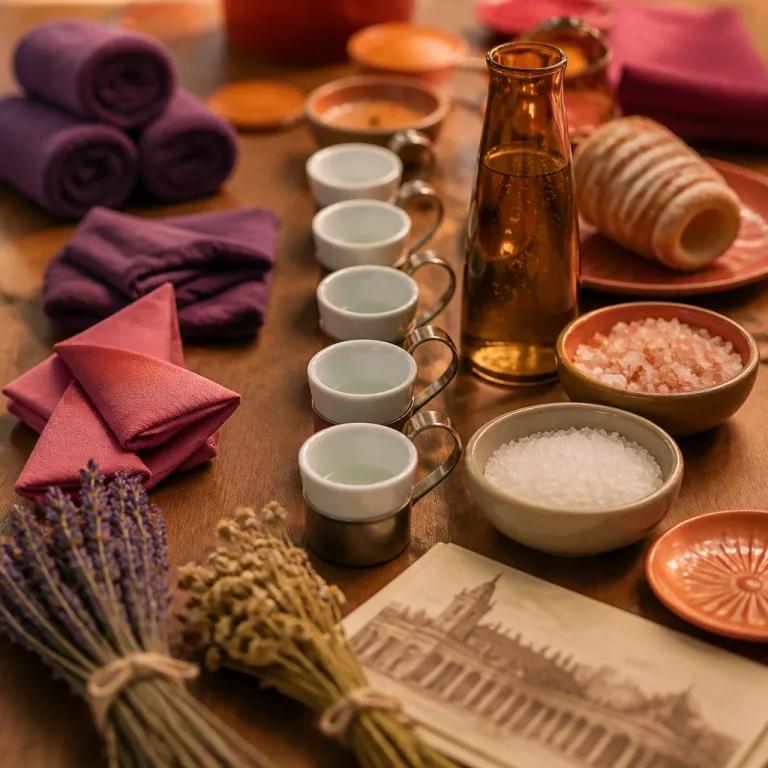
The core of the traditional Czech drinking cure, known locally as “pitná kúra”, is deceptively simple. You carry a warm porcelain spa cup with a built in straw, feel the heat of the mineral water through the handle, fill it from designated colonnades springs, and then walk slowly through the spa zone while sipping at a prescribed pace. Each spring colonnade offers waters with different mineral balances and temperatures, so the doctor might send you to the Mill Colonnade in the early morning, the Market Colonnade before lunch and the Park Colonnade in the late afternoon, with strict instructions on volume and timing.
This is where the difference between a spa hotel and a medical balneological house becomes clear. A luxury hotel will wrap the cure in high thread count linens, fine dining and perhaps a private sauna, while a lázeňský dům focuses on regimented therapies and less on spectacle. If you are curious about how this medicalised approach translates to another Czech spa town, a refined stay at Orea Spa Hotel Palace Zvon in Mariánské Lázně offers a useful comparison for couples planning a wider wellness itinerary.
The colonnade walk: timing, springs and the art of taking the waters
The colonnades of Karlovy Vary are not just photogenic arcades for leisurely promenades. They were built as architectural shelters for the drinking cure, turning the act of taking the waters into a structured daily ritual that unfolds in time rather than a single spa session. When you plan a three to five day stay, understanding this rhythm helps you align your hotel choice, meal times and even festival visits with the cure.
A typical morning might begin at the Mill Colonnade, where several springs emerge at different temperatures and mineral concentrations. Your doctor may prescribe one specific mineral water source, instructing you to drink a measured spa cup every few minutes while walking the length of the colonnade, then continue through the spa zone to the Park Colonnade or the more intimate Market Colonnade for a second round of waters. As you move between the pale stone columns, you may notice the faint mineral scent of the steam and the echo of footsteps on the tiled floor. The hottest Vřídlo spring, housed in its own modern structure near the spring colonnade, is usually approached with care because of its 72 °C temperature and powerful mineral profile.
Between circuits, many couples retreat to their chosen spa hotel for hydrotherapy pools, a dry or steam sauna session or targeted spa treatments that complement the internal drinking cure. Properties such as Grandhotel Pupp and Hotel Thermal sit close to the main colonnades springs, which makes it easy to respect the prescribed timing without turning your stay into a logistical exercise. For a deeper dive into how these hotels balance heritage, wellness and contemporary comforts, look at this refined journey through premium hotels in Karlovy Vary, which maps the town’s most interesting addresses for luxury minded travelers.
Where to stay: from grandhotel pupp to contemporary thermal resorts
Choosing the right hotel in Karlovy Vary is as strategic as selecting the correct spring. Grandhotel Pupp is the historic grand dame of the spa town, a property that has hosted aristocrats, artists and guests of the international film festival while remaining anchored in the ritual of taking the waters. Its location near the river and within walking distance of key colonnades makes it ideal for couples who want both cinematic atmosphere and easy access to the spa zone.
Hotel Thermal, by contrast, represents the modernist face of the vary region and serves as a focal point during the Karlovy Vary International Film Festival. Beyond its role as a festival hub, this hotel thermal complex functions as a full thermal resort, with sauna and thermal facilities, outdoor pools and direct connections to medical grade spa treatments. Guests can move from a supervised hot mineral water pool to a Finnish sauna circuit, then step outside to continue their drinking cure under the nearby colonnade without losing the therapeutic thread of the day.
Several specialised properties, including Elisabeth Spa and other medical focused houses, operate more like clinics than leisure hotels, and they suit travelers who prioritise results over romance. These establishments often include on site physicians, balneotherapy departments and structured programmes priced in Czech koruna, so you will see treatment packages clearly listed in CZK alongside accommodation. As a rough guide, mid range cure stays might start around the low hundreds of euros per person for several nights, while premium suites with extensive procedures can reach significantly higher brackets. For couples who want to balance serious wellness with broader exploration of the Czech Republic, combining a Karlovy Vary stay with a few days in an under the radar city such as Liberec can work beautifully, and this guide to an overlooked northern Bohemian city that rewards the curious shows how to extend your journey beyond the classic spa circuit.
Designing a meaningful three to five day cure in Karlovy Vary
A short stay in Karlovy Vary can still honour the depth of the thermal cure if you plan with intention. For a three day visit, focus on one or two colonnades springs, a single spa hotel and a limited palette of spa treatments that support your main goal, whether that is digestion, stress relief or post travel reset. A five day programme allows more time to explore different waters, experiment with sauna based thermal rituals and still enjoy the cultural life of the spa town.
On day one, check into your chosen hotel, meet the in house physician and begin a gentle drinking cure with lower temperature mineral water from the Mill Colonnade. Day two can introduce more intensive balneotherapy, alternating hot and cooler pools, supervised sauna sessions and perhaps a targeted massage, always framed by morning and evening walks along the spring colonnade with your spa cup in hand. By day three or four, many guests feel ready to approach stronger springs or extend their time in the spa zone, while still leaving space for a concert, a gallery visit or a quiet coffee under the colonnade arches.
International clientele from Germany, Russia, the Middle East and beyond return regularly, treating Karlovy Vary almost as a seasonal health commitment rather than a one off holiday. They understand that the value lies not only in the mineral waters but in the disciplined routine of walking, drinking, resting and repeating over time. As local tourism materials succinctly put it, “What is Karlovy Vary known for? Its thermal springs and spa treatments.”, “When was Karlovy Vary founded? In the 14th century by Charles IV.” and “How many thermal springs are in Karlovy Vary? There are 13 main springs.” — three facts that quietly explain why this karlovy vary thermal cure spa history luxury story still feels relevant in an age of fleeting wellness trends.
FAQ
What makes the Karlovy Vary thermal cure different from a regular spa visit ?
The Karlovy Vary thermal cure is a medically supervised programme built around specific hot mineral springs, prescribed drinking schedules and structured walks under the town’s colonnades. Unlike a casual spa day focused on relaxation, it usually begins with a doctor consultation and may include balneotherapy, inhalations and targeted use of saunas and pools. The aim is long term health improvement rather than short term indulgence.
How long should I stay in Karlovy Vary for an effective cure ?
Traditional cures often last several weeks, especially for guests with chronic conditions. For most modern travelers, a three to five day stay allows enough time to experience the drinking cure, sample different springs and integrate a few focused spa treatments. If you respond well, you can plan to return regularly and build a longer term relationship with one spa hotel or medical house.
Do I need a medical examination before starting the drinking cure ?
A medical examination is strongly recommended, particularly if you have cardiovascular issues, digestive problems or are taking regular medication. Many Karlovy Vary hotels either employ in house physicians or collaborate with nearby balneological clinics to provide this service on arrival. The doctor will advise which springs, temperatures and volumes of mineral water are appropriate for your condition.
Is Karlovy Vary suitable for a romantic trip as well as a health focused stay ?
Karlovy Vary works very well for couples because the town combines serious wellness infrastructure with elegant architecture, riverside promenades and refined dining. You can follow a disciplined cure in the mornings, then enjoy concerts, cafés and evening walks under the illuminated colonnades. Choosing a characterful luxury hotel close to the spa zone helps balance romance and routine.
How expensive is a thermal cure in Karlovy Vary compared with other European spa towns ?
Prices vary widely depending on whether you choose a grand hotel, a contemporary thermal resort or a more clinical establishment. Package rates are usually listed in CZK and can be competitive compared with Western European spa destinations, especially outside peak festival periods. When evaluating costs, consider that many programmes include accommodation, full board and a set number of medical treatments, which can offer good value for a structured wellness stay.
Sources
Karlovy Vary official tourism board, “History of Karlovy Vary” and “Thermal Springs of Karlovy Vary” (including the official list of 13 springs and Vřídlo at approximately 72 °C); CzechTourism, “Charles IV and the Czech Spa Tradition”; Czech spa history publications on Charles IV, David Becher (1725–1792), Josef von Löschner (1809–1888) and the development of balneology in Bohemia.