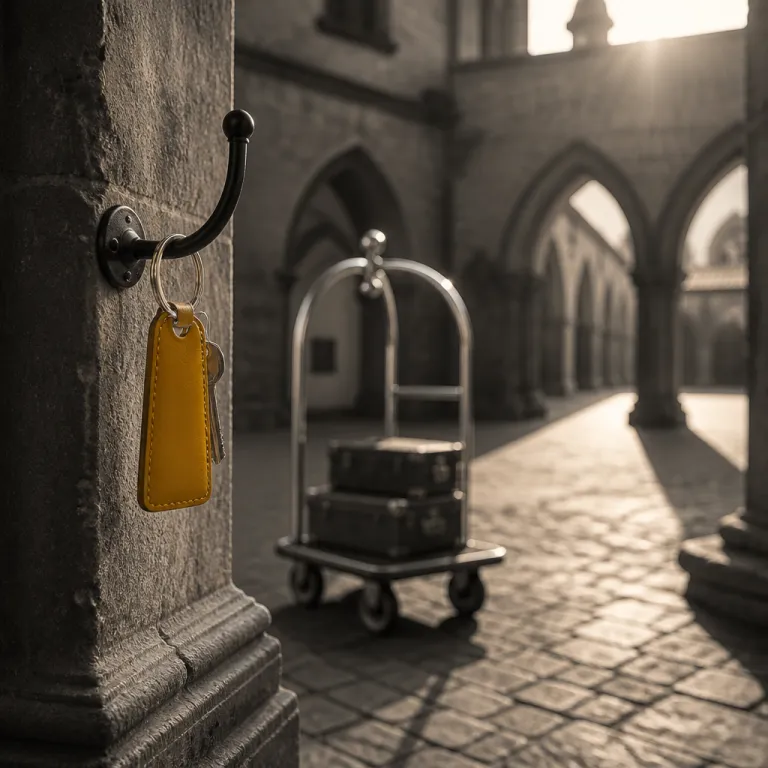
Augustine, Prague and the quiet power shift in European luxury
The phrase “Augustine Prague Kempinski luxury 2026” signals more than a rebrand; it marks a turning point for Prague as a serious luxury destination. When Kempinski announced the acquisition of Augustine, a Luxury Collection Hotel, Prague, housed in a former monastery in Malá Strana, it effectively voted for the city’s long term potential over more obvious capitals. According to the group’s 2024 press release and coverage in European hotel investment media, this is Kempinski’s first direct property acquisition in more than fifty years, placing Augustine at the centre of a new conversation about how Europe’s oldest luxury hospitality brand reads the city’s future.
Set within an approximately 800 year old Augustinian monastery complex, Augustine offers a rare combination of cloistered calm and immediate access to Prague Castle, Charles Bridge and the river. For a solo traveler choosing a Prague hotel, that balance between deep heritage and urban energy shapes the entire travel experience. The property’s 101 rooms and 20 suites, confirmed in Kempinski’s transaction information and industry reports, sit across several historic buildings, which means each stay feels slightly different yet still anchored in the same monastic story.
Kempinski hotels have long preferred management contracts over direct ownership, so this Augustine acquisition signals a deliberate pivot towards a more asset heavy strategy. Owning the real estate allows the group to control every layer of luxury hospitality, from design decisions to how the bar team talks you through a Czech gin. For travelers comparing hotels Europe wide, that deeper control usually translates into more consistent service, stronger investment in maintenance and a clearer expression of the brand’s idea of the good life.
Why Kempinski chose this Prague monastery over a new build
In a city full of grand façades, Augustine sits slightly apart, tucked behind Letenská street with Prague Castle rising above its gardens. The choice of this specific hotel location in Malá Strana reveals how the Kempinski group thinks about ultra luxury in Central Europe. Rather than chasing the busiest tourist artery, the brand has opted for a historic sanctuary that still keeps you within a ten minute walk of the Charles Bridge crowds.
The Augustine acquisition fits a broader asset strategy where heritage becomes the primary value driver, not just the building itself. An 800 year old monastery is a long term investment in narrative, guest experience and pricing power, especially as Prague’s luxury hotel supply tightens in the historic core. For solo explorers who value context, staying here means your travel experience is literally layered over centuries of monastic life, Habsburg politics and twentieth century upheaval.
Across hotels in Europe, Kempinski has often gravitated towards properties with strong architectural bones rather than generic new towers. In Prague, that means cloisters, vaulted ceilings and a former monastery library instead of a glass box on a ring road. If you are weighing whether to base yourself in the capital or look at a grand palace in Brno, our guide to staying outside Prague in style shows how this acquisition strengthens a wider Central European corridor of character rich luxury hotel options.
From white label to full Kempinski: what guests can expect
Right now, Augustine operates in a transitional, white label phase, which means the Kempinski name is present behind the scenes more than on the signage. For guests, that translates into gradually upgraded amenities, subtle service refinements and early signs of the group’s asset heavier philosophy. You will notice investment in textiles, lighting and in room technology arriving in stages rather than through a single dramatic reveal.
The announced refurbishment will be design led, with a clear brief to preserve architectural integrity while elevating comfort to ultra luxury standards. Industry commentary on the deal suggests bathrooms will gain more generous walk in showers, suites will receive better zoning for work and rest, and public spaces will be rethought around slower, more residential hospitality. The 650 square metres of outdoor space, including the monastery gardens, will likely become a key asset for summer evenings when Prague’s cobbled lanes feel crowded.
During this transition, solo travelers should treat Augustine as a hybrid between a heritage Prague hotel and a future flagship for Europe’s oldest luxury hospitality group. Service culture is already aligning with Kempinski properties elsewhere in Europe, but the full expression of the brand will only arrive after the refurbishment and rebranding are complete. If you prefer a quieter, more insider take on the city while the crowds head for Old Town Square, our guide to a discerning weekend in Prague without the crowds pairs well with a stay here.
Prague’s luxury hotel market and the new asset heavier era
Prague’s luxury hotel market has matured from underpriced secret to tightly contested arena, with rising average daily rates and limited new supply in the historic centre. In that context, Kempinski’s decision to pursue an asset heavier model through the Augustine acquisition looks less like nostalgia and more like sharp timing. Direct ownership of a prime Malá Strana asset gives the brand leverage as rates climb and high end travelers seek more characterful stays.
Across hotels Europe wide, asset heavy strategies are usually reserved for properties that can anchor a global portfolio, either through location, heritage or both. Augustine ticks each box; it sits beneath Prague Castle, carries centuries of monastic history and already operates as a recognised luxury hotel with 101 rooms and 20 suites. For Kempinski, this single Prague acquisition can act as a reference point for future investments in Central Europe and beyond.
For travelers, the shift towards ownership means the brand will likely commit more capital to long term maintenance, staff training and guest experience innovation. When a group owns the walls, it tends to think in decades rather than seasons, which benefits anyone booking repeat stays over the years. That mindset aligns with the solo explorer who returns to Prague regularly, treating the city less as a one off destination and more as a recurring chapter in their European travel experience.
How Augustine positions Prague in the Central European luxury corridor
Until recently, many luxury travelers saw Vienna and Budapest as the natural bookends of a Central European itinerary, with Prague as a picturesque but slightly less polished stop. The Augustine acquisition by Europe’s oldest luxury hospitality group quietly rewrites that hierarchy, placing Prague on equal footing with its neighbours. When Kempinski commits to a city through direct asset ownership, it signals confidence that the destination can sustain ultra luxury rates and expectations.
Prague now sits in a corridor of hotels across Europe where heritage rich properties define the narrative more than flashy new builds. In Vienna, the group leans on grand hotel traditions, while in Budapest and Berlin it plays with a mix of classic and contemporary luxury hospitality. By contrast, Augustine offers a monastic, almost cloistered interpretation of the good life, with gardens and cloisters acting as a counterpoint to the city’s beer halls and café culture.
For solo travelers plotting a route through Central Europe, this means Prague can now anchor a trip rather than simply fill a gap between capitals. You might pair a few nights at Augustine with a spa focused detour to Karlovy Vary, using our guide to Czech spa town stays that work for every generation as a reference. The result is a travel experience where each stop expresses a different facet of Kempinski’s approach to heritage, from monastery cloisters to colonnaded hot spring promenades.
Inside the monastery: gardens, cloisters and the evolving guest experience
What sets Augustine apart from many other Prague hotels is not just its address but its internal geography. You move through cloisters, courtyards and staircases that once served an Augustinian community, with the city’s noise fading as you cross each threshold. For a solo explorer, that layered sense of place turns a standard hotel stay into a more textured guest experience.
The 650 square metres of outdoor space function as both social hub and private refuge, depending on the time of day and season. Morning coffee in the garden feels almost rural despite being minutes from Prague Castle, while evening drinks under the monastery walls frame the city lights in a softer way. These spaces will likely see careful investment during the refurbishment, as the Kempinski group understands that in dense historic cities, gardens are a strategic asset as much as an aesthetic pleasure.
Inside, expect the future design to lean into the building’s historic character without turning it into a museum. Kempinski hotels typically balance heritage with contemporary comfort, so you can anticipate better lighting, improved acoustics and discreet technology upgrades that respect the monastery’s bones. For travelers who value both authenticity and ease, this is where the evolving Augustine Prague Kempinski luxury story becomes tangible, translating corporate strategy into the feel of your room at midnight.
Leadership, stewardship and what this means for future stays
Behind the Augustine acquisition sits a leadership philosophy that treats ownership as stewardship rather than simple control. The term “stewardship” has become a recurring theme in CEO Barbara Muckermann’s public comments on the deal, capturing how she frames this shift towards a more asset heavy model with a focus on long term care of historic properties. In the group’s own language, hospitality should enable guests to experience “the good life,” a line that neatly links corporate ambition with on the ground guest experience.
For solo travelers, this matters because it shapes how the brand will allocate investment over the coming years. A stewardship mindset usually means more attention to staff retention, training and the subtle rituals that define luxury hospitality, from how a front desk handles early arrivals to how housekeeping respects your privacy. It also suggests that Augustine will not be treated as a short term financial asset but as a long term anchor in the Kempinski group’s global portfolio.
Across Europe, this approach could lead to further acquisitions where heritage and location justify direct ownership, though Augustine remains the first such move in decades. For Prague, it confirms the city’s status as a destination worthy of serious, long horizon investment from one of Europe’s most established hotel names. For you as a guest, it means that booking a stay here is not just about a room near Prague Castle but about participating in a new chapter of how Europe’s oldest luxury hospitality group defines the good life.
Key figures shaping Augustine and Prague’s luxury moment
- Augustine currently offers 101 guest rooms and 20 suites, giving it a scale that feels intimate yet substantial for a five star Prague hotel (Kempinski transaction data and supporting industry coverage).
- The property includes approximately 650 square metres of outdoor space, a significant asset in Malá Strana where private gardens are rare and highly valued (Kempinski press information and local market analysis).
- The Augustine acquisition represents the first direct property purchase by the Kempinski group in over fifty years, marking a strategic shift towards a more asset heavy model in Europe’s luxury hospitality market (company timeline and independent hotel investment reports).
- The hotel occupies buildings that form part of an approximately 800 year old Augustinian monastery complex, positioning it among Prague’s most historic luxury hotel settings (property background and heritage records).
- Financial backing for the acquisition includes Erste Bank, with advisory services from Christie & Co, underlining the deal’s significance within the European hotel investment landscape (transaction details released by the parties and cited in trade publications).
FAQ about Augustine, Prague and Kempinski’s acquisition
Why did Kempinski acquire the Augustine hotel in Prague?
According to the company and corroborating investment commentary, the primary reasons for the Augustine acquisition were to expand the global portfolio and gain fuller control over the guest experience. Direct ownership of this historic asset in Malá Strana strengthens the Kempinski brand’s presence in Central Europe. It also aligns with a broader shift towards a more asset heavy strategy focused on high potential destinations.
What is unique about the Augustine hotel’s setting?
Augustine occupies part of an approximately 800 year old Augustinian monastery complex beneath Prague Castle. This gives guests access to cloisters, gardens and historic interiors that are rare even among top tier Prague hotels. The combination of monastic calm and central location makes it a distinctive luxury hotel choice.
When will the hotel fully rebrand as a Kempinski property?
The property is currently operating under a white label arrangement while design led refurbishment work is planned and phased. The Kempinski group has indicated that a full rebrand will follow the completion of these upgrades. Travelers booking stays in the interim can expect a gradual increase in brand signatures and service standards.
How does this acquisition affect Prague’s position among European luxury destinations?
The Augustine acquisition by Europe’s oldest luxury hospitality group signals that Prague can sustain long term ultra luxury investment. It places the city alongside Vienna, Budapest and Berlin in a Central European corridor of heritage rich hotels. For travelers, this means more consistent high end options and a stronger case for using Prague as a primary base.
What kind of traveler will benefit most from staying at the Augustine?
The Augustine Prague Kempinski luxury 2026 narrative particularly suits solo explorers and culture focused guests who value heritage and quiet over spectacle. Its Malá Strana location works well for those who want to walk to major sights but retreat to calmer streets at night. Travelers planning multi city itineraries across hotels in Europe will also appreciate how it connects with other Kempinski properties in the region.