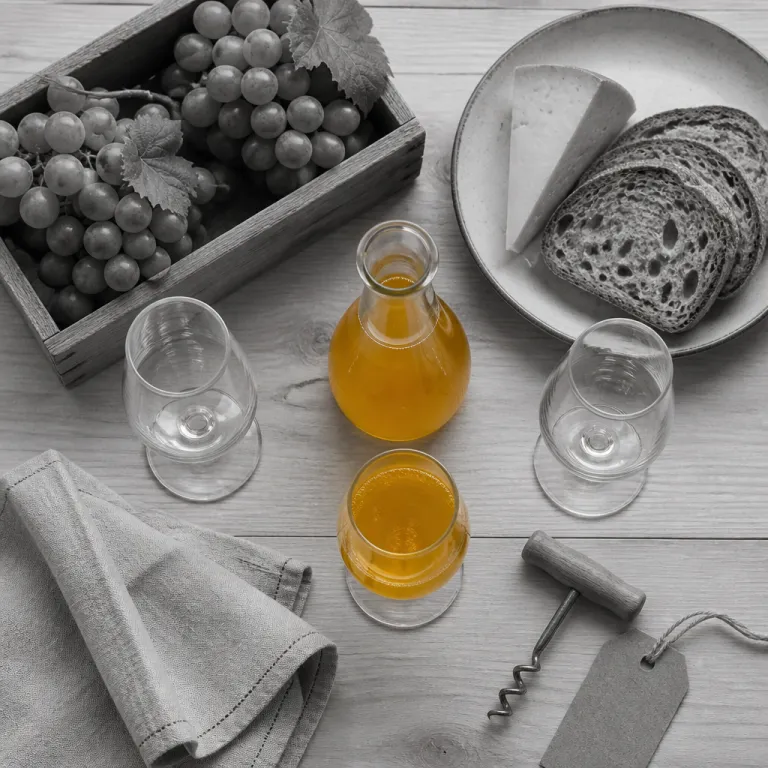
Burcak moravia young wine season as a fixed-date escape
Burcak moravia young wine season is not a vague autumn mood but a precise six-week window that shapes how you should plan a luxury stay in the Czech Republic. This is the short moment when burcak, the cloudy young wine made from partially fermented grape juice, is poured in south Moravia cellars before it stabilises and loses the vivid character that locals wait for all year. For a couple planning a romantic trip, this means your hotel booking, your vineyard visits and even your train to Prague should orbit around the burcak season rather than the usual summer holiday calendar.
Burcak itself is a partially fermented must from freshly pressed grapes, still in active fermentation, with tiny bubbles and a texture closer to thick grape juice than to finished wine. Locals treat this fermented young drink with respect, because the sugar and alcohol levels shift by the hour, and folk wisdom in the Czech Republic says you should drink burcak slowly, never in the same volume as beer. When you taste this young wine in its best form, you understand why it cannot be processed Czech style for long shelf life, why it is sold August onwards only in tightly controlled conditions and why it is never exported far from the Moravian vineyards that created it.
The rhythm of the burcak season follows the wine harvest, starting when the earliest white grapes reach the right sugar level and continuing into deeper autumn as red varieties ripen. In practice, burcak is usually sold August through late September, sometimes nudging into early November if the harvest vinobrani is late and the weather stays kind. Miss that window and you wait another year, because by November the fermented grape must has either completed fermentation into standard Moravian wine or been withdrawn from sale under Czech law that protects both quality and consumer safety.
For couples used to planning a European escape around Christmas markets or summer beaches, this focus on a fleeting grape harvest may feel unfamiliar. Yet the burcak moravia young wine season offers something more intimate than a festival crowd, especially when paired with a stay in a quiet vineyard hotel where you can watch the wine harvest unfold from your terrace. Think of it as a slow travel ritual : you drink burcak in the same cellar lanes where it was pressed, you talk to the winemaker about the fermentation curve, and you fall asleep in a room that still smells faintly of crushed grapes and oak.
From prague september evenings to moravian cellar lanes
Many visitors first meet burcak in Prague, where stalls and wine bars start to drink burcak publicly as soon as the first tanks are ready, usually in early Prague September evenings. In the capital, this young wine is often sold in plastic cups near tram stops or at small wine festivals, a convenient way to taste the fermented young juice yet not the most atmospheric setting for a couple seeking a premium experience. If you only have one night in the city, choose a serious wine bar that specialises in Moravian wine and ask which burcak partially fermented must they are pouring from south Moravia that week.
Prague is still worth at least a night or two, especially if you combine a burcak tasting with a quieter cultural programme away from the crowds. A smart strategy is to book a central luxury hotel, enjoy a late afternoon drink of burcak before walking up to the castle area after the tour groups leave, using a curated guide such as how to experience Prague Castle on your own terms. This way, the czech wine in your glass and the stone under your feet feel connected, and you start to understand how the republic’s history, its food traditions and its wine harvest all intersect in one evening.
Still, the heart of burcak moravia young wine season lies far from Prague, in the cellar lanes of south Moravia where fermented grape aromas drift between painted facades. Here, burcak is sold August through the peak of the harvest vinobrani, often directly from tanks in family wineries that have processed Czech grapes for generations. Couples who time their stay to coincide with these wine festivals can walk from one cellar to another, tasting different grapes, comparing how each winemaker handles fermentation and deciding which young wine feels best on the palate.
Because burcak is a living drink, the same tank can taste different from morning to night, which makes a multi-night stay particularly rewarding. One evening you might drink burcak that is still sweet, more like grape juice with a gentle sparkle ; the next, the partially fermented must has shifted towards a drier, more structured profile. This evolving character is why serious wine travellers do not treat burcak as a single tasting but as a short season, returning to the same cellar lanes over several days to follow the transformation of fermented young wine in real time.
Pairing burcak with south moravia stays and seasonal food
The most satisfying way to experience burcak moravia young wine season is to anchor yourself in a luxury property in south Moravia and let the wine harvest set your daily rhythm. Choose a hotel within easy cycling distance of cellar lanes near Mikulov, Velké Pavlovice or Znojmo, using detailed itineraries such as this vineyard route from Znojmo to Velké Pavlovice as a structural guide. From there, you can plan curated local excursions that move between vineyards, small wine festivals and slow lunches built around regional food that flatters young wine rather than overpowering it.
Classic pairings for burcak lean towards hearty yet simple dishes that absorb both sweetness and acidity, such as roasted pork with cabbage, onion-laced flatbreads or grilled sausages served with mustard and fresh bread. Because burcak is still partially fermented grape juice, its texture and residual sugar make it a natural partner for salty cheeses and autumn vegetables, especially when the evening air in the Czech Republic turns crisp. Ask your hotel concierge to arrange a private dinner in a local cellar where the chef builds a menu around the current state of the fermented grape must, adjusting seasoning as the burcak season progresses.
Many high-end properties now offer curated excursions that combine a morning in the vineyards with an afternoon spa session, ideal for couples who want to drink burcak without rushing. You might start with a walk through rows of grapes during the wine harvest, taste grape juice straight from the press, then move into the cellar to compare a fully fermented young wine with a tank that is still in active fermentation. Returning to your room, you can watch the sunset over south Moravia hills, knowing that the same grapes you saw harvested are being processed Czech style into both burcak and future bottles of moravian wine.
Because burcak is sold August through early autumn only, hotels in this region often build short, intensive packages around the harvest vinobrani, with transfers to wine festivals and private tastings included. For couples, this creates a rare balance between structure and spontaneity : your room, transfers and spa time are fixed, but each day’s cellar visits respond to where the fermentation stands and which tanks taste best. It is a style of travel that respects the czech wine calendar rather than imposing a generic tourist schedule, and it turns a simple drink into the organising principle of a deeply seasonal escape.
Planning a luxury burcak itinerary under czech law and local customs
Because burcak is legally defined under Czech law as a partially fermented grape must that must come from grapes grown in the Czech Republic, there are practical implications for how and where it can be sold. By regulation, burcak must be made from fermented grape juice harvested in the same year, and it can only be sold August through November, though in reality quality focused producers stop earlier once the drink no longer shows its best. This legal framework protects travellers from low grade imitations and ensures that when you drink burcak in south Moravia or Prague, you are tasting authentic young wine from the current wine harvest.
For a luxury or premium hotel, this regulatory clarity is a gift, because it allows concierges to design curated local excursions that meet both safety standards and guest expectations. A well run property will have a transparent privacy policy that explains how guest data is handled when booking external tastings or transfers, an important detail for couples who value discretion as much as good wine. When your hotel arranges a visit to a cellar where burcak is sold, you can trust that the producer complies with Czech law on hygiene, labelling and the timing of burcak season sales.
When planning your itinerary, think of burcak moravia young wine season as a moving target that shifts slightly each year with the weather, yet always clusters around late August to early autumn. Aim to arrive in Prague September or early October, spend one or two nights in the capital, then move south for at least three nights in wine country, using business focused guides such as this analysis of why Prague works better for business than you think to understand how transport and hotel infrastructure support smooth transfers. This pattern lets you enjoy both city wine bars and rural cellar lanes, while giving you enough time to revisit a favourite producer as their fermented young must evolves.
Finally, pace yourself. Burcak may taste like gentle grape juice, but as fermentation advances it can carry more alcohol than you expect, especially when you drink burcak across several cellar visits in one day. Alternate glasses of young wine with water, pair each tasting with small plates of local food, and remember that the best memories of burcak season come not from how much you drank, but from the quiet moments : a shared glass at dusk, the sound of fermentation in a cool cellar, and the knowledge that this exact flavour will not return until the next harvest year.
FAQ
What exactly is burcak and how is it different from regular wine ?
Burcak is a partially fermented grape must made from freshly pressed grapes grown in the Czech Republic, usually in south Moravia. It sits between grape juice and finished wine, still in active fermentation, cloudy, lightly sparkling and often sweet. Regular wine is fully fermented, clear, stable and can be stored or transported, while burcak must be consumed within days and only during the short burcak season.
When is the best time of year to plan a burcak focused trip ?
The most reliable period for a burcak moravia young wine season trip runs from late August through early autumn, when the wine harvest is in full swing. In many years, the peak falls around Prague September and early October, though exact dates shift with weather and grape ripeness. By November, most quality producers have stopped selling burcak because the fermented young must has either finished fermentation or no longer shows its best character.
Where should couples stay to experience burcak with a sense of place ?
For a strong sense of place, couples should base themselves in south Moravia, in or near towns such as Mikulov, Znojmo or Velké Pavlovice, where cellar lanes and vineyards are within easy reach. A luxury hotel or guesthouse in these areas can arrange curated local excursions to family wineries, wine festivals and harvest vinobrani events. Spending at least three nights allows you to follow how the partially fermented grape juice evolves over several days.
Is burcak available in Prague, or do I need to travel to Moravia ?
Burcak is widely available in Prague during its short season, especially in wine bars, markets and at small wine festivals. However, the most atmospheric and authentic experiences are in Moravian cellar lanes, where you can taste the drink directly from tanks and talk to the winemakers who processed Czech grapes into both burcak and future bottles. A balanced itinerary often includes one or two nights in Prague followed by several nights in south Moravia.
How much burcak is safe to drink in one day ?
Because burcak tastes like sweet grape juice, it is easy to underestimate its alcohol content, which rises as fermentation progresses. Locals often advise matching each glass of burcak with water and limiting yourself to a few small glasses spread across the day, especially if you are visiting multiple cellars. For couples on a luxury trip, the goal is to taste thoughtfully, pair the drink with food and enjoy the atmosphere of the wine harvest rather than chasing quantity.