Balancing a stay in Czech castle hotels with a visit to Theresienstadt concentration camp
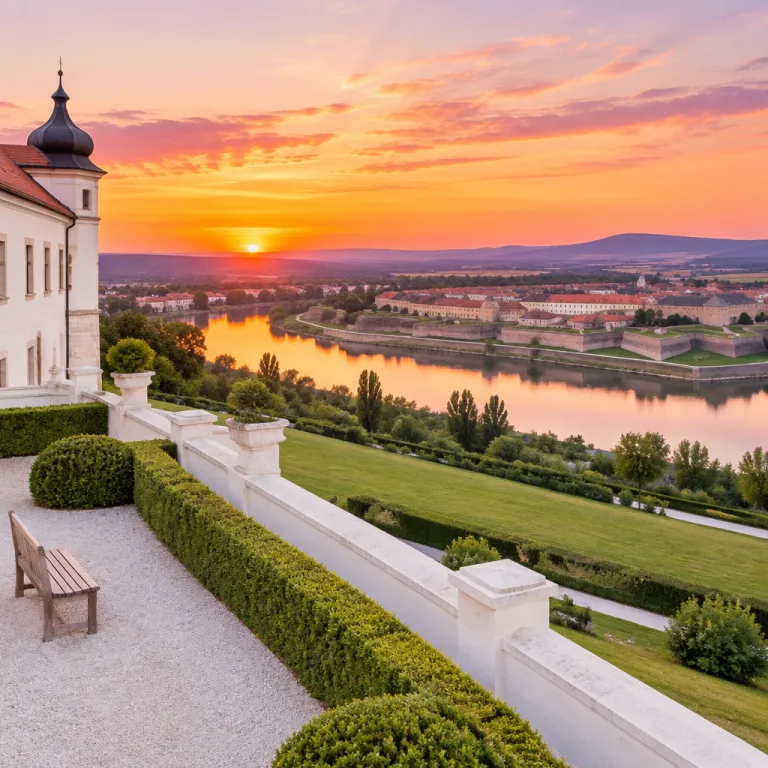
Planning a luxury stay in the Czech Republic often includes romantic castles and refined châteaux. Yet many thoughtful travellers now pair these indulgent nights with a day trip to the Theresienstadt concentration camp, creating an itinerary that honours memory while enjoying comfort. This balance lets people experience historic estates near Prague while acknowledging the fate of the Jews who were deported through the ghetto of Terezín.
The former Theresienstadt ghetto lies about 60 km from Prague, within easy reach of premium castle hotels in Central Bohemia. From a hospitality perspective, the site is a sobering counterpoint to the elegance of restored palaces, because the camp once held prisoners from across Europe under Nazi German control. When you plan a visit to the memorial museum at the Theresienstadt concentration camp, you can choose a castle stay that offers discreet transfers, knowledgeable concierges and flexible schedules for this emotionally demanding day.
Many guests ask how to reconcile a spa suite with the reality of concentration camps such as Auschwitz and Theresienstadt. The answer lies in respectful timing and clear intent, as you treat the Theresienstadt ghetto as a place of mourning rather than a standard tourist stop. Luxury properties that understand the history of Jewish communities from Czech lands, neighbouring Austria and Germany, and other parts of Europe can help you structure your day so that reflection at the Holocaust memorial comes first, followed by quiet time back at the hotel.
Historic castles near Terezín and Kutná Hora for reflective luxury stays
Central Bohemia offers a cluster of historic castles and châteaux that pair naturally with a visit to the Theresienstadt concentration camp. Guests often base themselves in refined properties near Kutná Hora, then travel by private car to the former Theresienstadt ghetto for the day. This pattern allows people to engage deeply with the history of the Holocaust while returning to a calm, well run retreat each evening.
When you research premium stays among silver spires and medieval grandeur, resources such as this guide to refined castle stays in Kutná Hora and Bohemia can help you compare locations and services. From there, you can evaluate transfer times to the camp at Terezín, check how concierges handle requests related to the memorial museum, and confirm whether staff are trained to brief guests on respectful behaviour at a Holocaust memorial. This level of preparation matters when you remember that many prisoners at the Theresienstadt concentration camp were later deported to Auschwitz and other concentration camps.
Some castle hotels curate small libraries that include publications about the Theresienstadt ghetto, the Jewish council structures and the Jewish administration imposed by the Nazi authorities. You may find English language books that explain how people from Prague, Brno, Vienna, Berlin and other cities were counted, registered by number and then deported from the camp. When a property invests in such context, it signals respect for the people who suffered there and helps guests understand why a visit to Theresienstadt is different from touring ordinary German or Czech fortresses.
Choosing a château stay that respects the memory of Theresienstadt prisoners
Not every luxury hotel is equally prepared to support guests who plan to visit the Theresienstadt concentration camp. When you book a castle or château stay, ask specific questions about transfers to the camp, guide recommendations and staff familiarity with the history of the ghetto. A thoughtful property will respond with clear information about travel times, suggested visiting hours and options for private drivers who understand the solemn nature of the memorial museum.
Many travellers prefer to schedule Theresienstadt early in their itinerary, then move on to lighter cultural life in Prague or Moravia. If you are considering a seasonal château escape, resources such as this overview of where to book a Bohemian castle stay can help you align dates with opening periods. Once your château is confirmed, you can reserve a guided visit to the Theresienstadt ghetto, ensuring that your day at the concentration camp includes access to the Small Fortress, the crematorium and the main Holocaust memorial.
During pre arrival communication, mention that you intend to learn about the Jewish council, the council of elders and the Jewish administration that the Nazi regime forced upon Jews in the camp. Some properties maintain contacts with licensed guides who specialise in the history of Jewish life in Central Europe and the wider network of concentration camps. These experts can explain how deportation transports from Theresienstadt to Auschwitz were organised, how the Red Cross inspection shaped the staged cultural life in the ghetto, and how postwar publications with an International Standard Book Number (ISBN) have documented the experience of children and adults alike.
Understanding Theresienstadt ghetto history before and after your hotel stay
For many guests, a meaningful stay in a Czech castle begins with reading about the Theresienstadt concentration camp before arrival. Background knowledge helps you process what you will see in the ghetto and at the memorial museum, especially when you learn how many people passed through the camp. Historians describe how the Nazi authorities turned the Czech town of Terezín into a concentration and transit camp, where prisoners were registered by number and later deported to Auschwitz and other killing centres.
Pre trip reading often includes works published by Yad Vashem in Israel, the United States Holocaust Memorial Museum and respected Czech institutions. These publications explain how Jewish residents from the Protectorate of Bohemia and Moravia, from Germany and Austria, and from other occupied territories were concentrated in the Theresienstadt ghetto, and how the Jewish council and council of elders were forced to implement Nazi orders. Some books carry an ISBN that you can note for later reference, especially if you wish to continue studying the Holocaust after returning home.
During your visit, you will see evidence of the staged cultural life that the Nazi regime allowed in the Theresienstadt ghetto to mislead the Red Cross and international observers. Exhibitions describe how children created drawings and how Jewish administration structures tried to maintain dignity under impossible conditions. When you return to your hotel, the contrast between your comfortable room and the cramped barracks of the camp can be intense, so many travellers appreciate properties that offer quiet lounges, subdued service and space for reflection.
Integrating Theresienstadt into a wider Czech castle and city itinerary
A well designed Czech itinerary can combine Prague, castle hotels in Bohemia and a day at the Theresienstadt concentration camp. Many guests start with two or three nights in the capital, then move to a countryside château where they can relax between excursions. From there, a private driver can take you to the Theresienstadt ghetto, allowing you to arrive early when the memorial museum is quieter and the atmosphere more contemplative.
As you plan, consider how many emotionally heavy sites you want to include alongside lighter cultural life. Some travellers pair Theresienstadt with the Pinkas Synagogue in Prague, where names of Czech Jews murdered in the Holocaust are inscribed, while others focus on a single camp visit and then shift to castles, vineyards and spa towns. In both cases, a premium hotel can help you pace your days, ensuring that time at the Holocaust memorial is followed by restorative walks in castle gardens or along riverbanks.
When comparing properties, look for those that mention history aware services on their websites or in curated guides such as this overview of new luxury addresses opening across Czechia. These hotels are more likely to understand why guests ask about concentration camps, deported communities and the fate of Jews from Theresienstadt. They may also be better prepared to arrange English speaking guides who can explain how the Nazi German system of camps functioned, how many prisoners were deported from Theresienstadt to Auschwitz, and how the state level Holocaust narratives in the United States and Europe have evolved.
Ethical considerations when pairing luxury stays with a holocaust memorial visit
Choosing a luxury or premium hotel while planning to visit the Theresienstadt concentration camp raises understandable ethical questions. Many travellers worry about appearing insensitive when they move from a spa treatment to a site where prisoners suffered under Nazi German rule. The key is to approach both the ghetto and your hotel stay with humility, clarity of purpose and respect for the memory of the Jews who were deported there.
Before booking, reflect on why you want to include the Theresienstadt ghetto in your journey and how you will behave at the memorial museum. Dress modestly, speak quietly and avoid taking photographs of other visitors, especially when they are praying or mourning at the Holocaust memorial. Remember that for some people, particularly descendants of families from Prague, Vienna or Berlin who were sent to Theresienstadt, the camp is a family graveyard rather than a historical attraction.
It is also worth considering how your spending choices can support responsible remembrance. Some castle hotels donate to local museums or partner with educational institutions that preserve the history of concentration camps and the Holocaust, including research on children, cultural life and the Jewish administration in the Theresienstadt ghetto. When you ask about such initiatives, you encourage properties to engage more deeply with this history and to treat the stories of Leo Baeck, the Jewish council and countless unnamed prisoners with the seriousness they deserve.
Key figures and historical context related to Theresienstadt
- Historians estimate that approximately 140,000 people were sent to the Theresienstadt concentration camp, including Jews from the Protectorate of Bohemia and Moravia, Germany, Austria and other European countries (see statistical summaries by Yad Vashem and the United States Holocaust Memorial Museum).
- Of those sent to the Theresienstadt ghetto, around 88,000 prisoners were later deported from the camp to Auschwitz and other concentration camps, where the vast majority were murdered (figures reported by the United States Holocaust Memorial Museum and corroborated by Yad Vashem).
- Roughly 33,000 prisoners died directly in the Theresienstadt ghetto itself due to overcrowding, hunger and disease, highlighting how the camp functioned both as a transit point and as a site of death (data published by Yad Vashem and the Terezín Memorial).
- Approximately 15,000 children passed through Theresienstadt, and only a small fraction survived the Holocaust, a reality documented in postwar publication records and exhibitions that often reference specific ISBN numbered works.
- The infamous Red Cross visit to Theresienstadt prompted the Nazi authorities to stage an artificial cultural life in the camp, including concerts and children’s activities, which has been extensively analysed in scholarly publications on state level Holocaust narratives.
FAQ about visiting Theresienstadt from Czech castle and city hotels
How far is Theresienstadt from Prague and major castle hotels ?
The Theresienstadt concentration camp is located in Terezín, about 60 km north of Prague, and driving time from the capital or nearby castle hotels in Central Bohemia is usually around one hour in normal traffic. Many premium properties can arrange private transfers so that your visit to the Theresienstadt ghetto and the memorial museum fits smoothly into a day trip. Always confirm travel times with your hotel, as roadworks, seasonal conditions and peak hour traffic can affect the journey.
Can I visit Theresienstadt without a guided tour ?
Visitors can explore the Theresienstadt concentration camp independently, but a licensed guide often adds essential context about the ghetto, the Jewish council and the deported communities. Many castle and city hotels work with experienced guides who specialise in the history of Jewish persecution in Central Europe and the wider network of concentration camps. Guided visits usually cover the Small Fortress, the main ghetto area and key Holocaust memorial sites.
Is it appropriate to stay in a luxury hotel while visiting a holocaust site ?
Staying in a luxury or premium hotel while visiting the Theresienstadt concentration camp can be appropriate if approached with respect and self awareness. Travellers should treat the Theresienstadt ghetto as a place of mourning, behave discreetly and use the comfort of their hotel as space for reflection rather than celebration. Many properties recognise this balance and offer subdued, considerate service on days when guests visit the memorial museum.
What should I know before bringing children to Theresienstadt ?
Parents should prepare children carefully before a visit to the Theresienstadt concentration camp, as exhibitions about the Holocaust, deported prisoners and murdered children can be emotionally intense. Some museums on site offer age appropriate materials that explain the ghetto, the Nazi system and the role of the Red Cross inspection in simpler terms. It is wise to combine the visit with extra downtime at your hotel, allowing young visitors to process what they have seen.
Are there English language resources to read before or after my visit ?
There are many English language publications about the Theresienstadt concentration camp, including works issued by Yad Vashem, the United States Holocaust Memorial Museum and Czech research institutions. These books, often identified by their ISBN, cover topics such as the Jewish administration, the council of elders, cultural life in the ghetto and the fate of Jews from Theresienstadt who were deported to Auschwitz. Some castle hotels keep a small selection of such titles in their libraries, which guests can borrow before or after their visit.