Why a virtual Napoleon in Slavkov matters for luxury travelers
In South Moravia, a short drive from Brno, a new exhibition at Slavkov Castle quietly rewrites what heritage travel in the Czech Republic can be. On the same Baroque estate where the peace after the Battle of Austerlitz was negotiated, visitors now sit across from an AI-powered Napoleon and ask him anything from tactics to love and loss. For travelers used to polished hotel lobbies and curated wine lists, this encounter with European history feels unexpectedly intimate and surprisingly contemporary.
The project is hosted at Zámek Slavkov – Austerlitz, the stately chateau that anchors the town of Slavkov u Brna and its formal castle park. Curators worked with the Fondation Napoléon and local historians to feed the AI avatar with rigorously checked historical data, so the virtual emperor answers with context rather than costume drama. The official exhibition materials credit these partners directly, and the castle’s website confirms the collaboration and dates, with ticketing details and visiting hours published on the official castle pages. This is not a theme park gimmick but a carefully designed event that treats the Battle of Austerlitz and the wider Napoleonic campaigns with respect, while still inviting playful questions from children and adults alike.
For visitors planning a premium stay in the Czech Republic, the exhibition changes how a day trip from Brno can look. A morning in the historic state rooms, an hour in dialogue with Napoleon, then a late lunch back in a wine bar near Slavkov u Brna makes for a richer itinerary than another generic shopping mall. Travelers who usually prioritise spa suites and rooftop bars start to see that the most memorable cultural experiences often happen in quiet Moravia, where a single castle and its history can anchor an entire romantic weekend.
Inside the AI Napoleon experience at Slavkov Castle
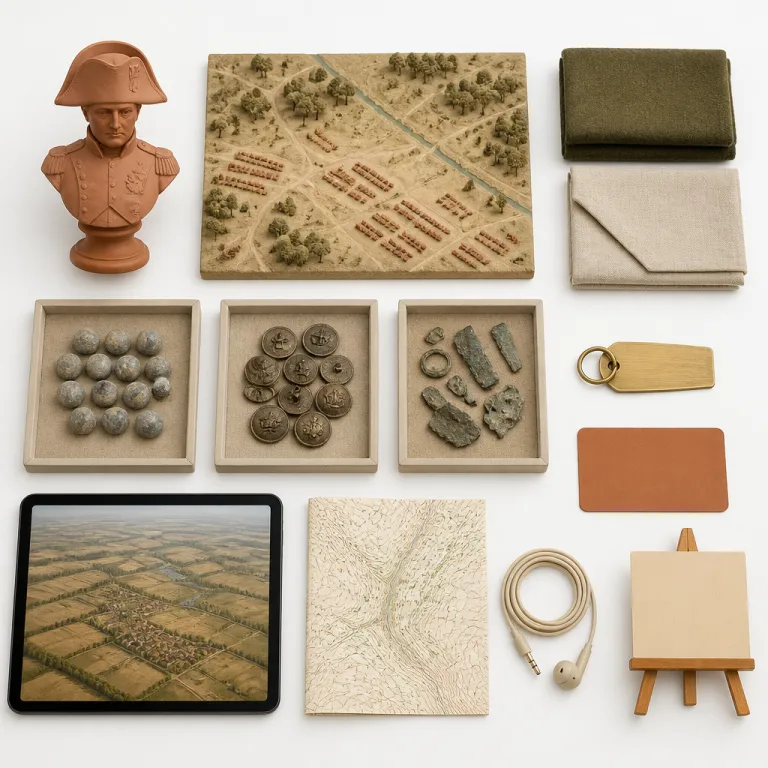
The heart of the Slavkov Castle Austerlitz Napoleon exhibition in the Czech Republic is a dimly lit room where a life-sized digital emperor waits for your questions. Using AI-driven avatars and large-scale models of the battle three armies fought here, the system listens, interprets and responds in real time, with a voice and cadence shaped by period accounts. You can ask about the Battle of Austerlitz itself, the Austrian–Russian coalition, or how he viewed the town of Slavkov and Moravia, and the answers feel grounded rather than theatrical.
Technically, the avatar draws on curated archives and a supervised language model, so while the interface feels conversational, the content remains anchored in verifiable history. A short pre-show briefing explains that the system cites primary sources where possible and avoids speculation about events outside Napoleon’s lifetime. Visitors will find that the most rewarding questions go beyond the famous battle and touch on diplomacy, daily life in a Baroque chateau, or the long shadow this castle casts over European history. Children tend to test the limits, asking about modern technology or football, and the system gently steers them back to the Austerlitz battlefield, the three emperors and the peace memorial narrative without breaking character.
The exhibition runs for several months at Zámek Slavkov, and advance online tickets are strongly recommended to avoid queues at peak cultural events. In the official FAQ on the castle’s information pages, curators phrase it clearly as: “What is the exhibition’s duration?” and “How does AI enhance the exhibition?” and answer: “May 6 to December 6, 2026” and “Enables interactive dialogues with Napoleon’s avatar.” As of the latest update, adult tickets are typically priced in the mid-hundreds of Czech crowns, with reduced rates for children and seniors, and the castle notes that specific prices may change between seasons. For travelers building a wider Czech itinerary that already includes romantic stays in Český Krumlov, pairing this visit with a slow two-day escape such as the romantic itinerary after the tour buses leave creates a satisfying balance between battlefield gravitas and riverside calm.
From baroque chateau to battlefield: context for the Austerlitz story
To understand why this AI experiment matters, you need to walk the Baroque corridors of Slavkov Castle and then look out toward the rolling fields where the Battle of Austerlitz unfolded. The chateau interiors include the ornate hall where the post-battle armistice between the French and the Austrian–Russian forces was negotiated, a room that now frames the virtual emperor’s answers with a tangible sense of time and consequence. When Napoleon’s avatar explains why he chose these hills, you can almost trace the lines of the three emperors on the horizon beyond the castle park.
Outside, the wider Austerlitz battlefield stretches across Moravia, punctuated by the Cairn of Peace memorial that rises over the landscape like a stone epilogue. Visitors with a car will find it easy to combine the AI-driven exhibition at Zámek Slavkov with a quiet walk near the Cairn of Peace, letting the digital narrative and the physical terrain speak to each other. This is where the phrase “Slavkov–Austerlitz” stops being a line in a guidebook and becomes a layered experience of Czech history, European history and the fragile peace that followed the battle three crowned rulers fought here.
For travelers who have already explored Prague Castle on their own terms, perhaps following a slow route such as this independent Prague Castle guide, Slavkov offers a different scale of intimacy. Instead of crowds, you will find a quieter rhythm in the town of Slavkov u Brna, where the castle complex, its park and the nearby peace memorial form a compact triangle of culture. The AI Napoleon is simply the newest layer in a long sequence of events that keep this corner of the Czech Republic relevant to thoughtful visitors.
Heritage tech in the Czech Republic versus global trends
Across Europe, heritage sites are experimenting with immersive projections, VR headsets and soundscapes, yet few have gone as far as Slavkov Castle in letting visitors interrogate a single historical figure. The Slavkov Castle Austerlitz Napoleon exhibition in the Czech Republic feels less like a show and more like a structured conversation, where the AI is transparent about its limits and sources. Compared with VR battle simulations in larger capitals, this approach respects the Baroque architecture and keeps the focus on dialogue rather than spectacle.
Local curators position the project as part of a broader national push to use technology to enhance historical education without overwhelming fragile sites. At Zámek Slavkov, the AI avatar sits within existing rooms, so the chateau’s frescoes, parquet floors and views over the castle park remain the primary aesthetic experience. A member of the curatorial team describes it as “a way to let visitors question Napoleon without turning the castle into a screen.” The large-scale battle models and multimedia maps complement the narrative of the famous battle, helping children and adults visualise troop movements across Moravia and the wider Austerlitz battlefield without turning the visit into a theme park ride.
For luxury travelers, this matters because it signals how the Czech Republic is choosing to balance innovation and authenticity at its most important castles and chateaux. If you are already planning a design-led stay in the capital, guides such as this neighbourhood guide to Prague’s sharpest stays show how contemporary hospitality can sit beside deep history. Slavkov–Austerlitz extends that philosophy into the countryside, proving that cultural events built around AI can still feel rooted in place, time and the quiet dignity of a Moravian town square.
Designing a Brno based stay around Slavkov and Austerlitz
For travelers using Brno as a base, Slavkov Castle lies close enough for an unhurried day trip that still leaves time for a late dinner back in the city. The drive from central Brno to Slavkov u Brna usually takes around 25 to 30 minutes by car, or slightly longer by train and local transport. Many of the best luxury and premium hotels in Brno now position visits to the Slavkov Castle Austerlitz Napoleon exhibition in the Czech Republic as a signature cultural add-on, alongside wine tastings and Moravian Karst excursions. You will find concierge teams happy to arrange private transfers to Zámek Slavkov, timed entry to the AI Napoleon event and even a short detour to the Cairn of Peace memorial on the way back.
A typical itinerary might start with a leisurely breakfast in a central Brno hotel, followed by a mid-morning arrival at the chateau, when the castle park is still quiet. Guests can tour the Baroque interiors, spend focused time with the AI avatar, then walk the grounds while discussing how the Battle of Austerlitz still shapes European history and Czech identity. In the afternoon, a drive through Moravia toward the battlefield viewpoints and the peace memorial allows the narrative of the three emperors, the Austrian–Russian defeat and the subsequent cultural events to settle in.
Back in Brno, the contrast between contemporary design hotels and the historical weight of Castle Austerlitz becomes part of the trip’s texture. This is where a luxury stay in the Czech Republic moves beyond spa menus and room categories, into something more reflective and quietly romantic. Over time, as more castles and chateaux adopt similar AI-led experiences, travelers who first met Napoleon in the town of Slavkov will remember that this was where heritage, technology and hospitality finally aligned.
FAQ
How long does the AI Napoleon exhibition at Slavkov Castle run?
The current edition of the exhibition at Zámek Slavkov is scheduled as a several-month event, framed as a seasonal highlight in the local cultural calendar. In the official FAQ, curators ask: “What is the exhibition’s duration?” and “How does AI enhance the exhibition?” and answer: “May 6 to December 6, 2026” and “Enables interactive dialogues with Napoleon’s avatar.” Travelers should still check the castle’s official website or contact Slavkov Castle directly before booking, as future editions or extensions may adjust specific dates.
Is the AI Napoleon experience suitable for children as well as adults?
The AI avatar is designed for a broad audience, so both children and adults can ask questions and receive historically grounded answers. Families will find that younger visitors engage most with the visual elements, such as the large-scale battle models and maps of the Austerlitz battlefield. Parents can guide the conversation toward themes like leadership, peace and the Cairn of Peace memorial, making the visit to Slavkov Castle both educational and emotionally accessible.
How do I combine a visit to Slavkov with a luxury stay in Brno?
Brno lies close enough to the town of Slavkov u Brna that travelers can comfortably visit the Slavkov Castle Austerlitz Napoleon exhibition in a single day. Many upscale hotels in Brno can arrange private transfers, timed tickets and even a short stop at the peace memorial or other Battle of Austerlitz sites. This allows visitors to enjoy Baroque architecture and European history by day, then return to contemporary design, fine dining and spa facilities in the city at night.
Do I need to book tickets in advance for the exhibition?
Advance booking is strongly recommended, especially during weekends, school holidays and major cultural events in Moravia. Online tickets help visitors avoid queues at the entrance to Zámek Slavkov and secure a preferred time slot for the AI Napoleon session. Luxury travelers relying on tight itineraries or private drivers will find that pre-booked entry ensures the day runs smoothly between Brno, the castle park and any planned stops on the Austerlitz battlefield.
How does this AI exhibition compare with other heritage tech experiences in Europe?
While many European museums now offer VR reconstructions or immersive projections, the Slavkov Castle project stands out for its focus on dialogue rather than spectacle. The AI Napoleon sits within authentic Baroque interiors, so the chateau and its history remain central, unlike some digital-heavy shows that overshadow their settings. For travelers interested in how technology can deepen rather than dilute heritage, the Slavkov–Austerlitz initiative in the Czech Republic currently feels like one of the most thoughtful experiments on the continent.